

Leader in resin flooring

Leader in resin flooring
Resin flooring – Application Areas
Wineries
Preserve wine excellence with monolithic flooring.
Technical surfaces for the art of winemaking
When designing a winery, understanding the functions that need to be considered for the flooring is important.
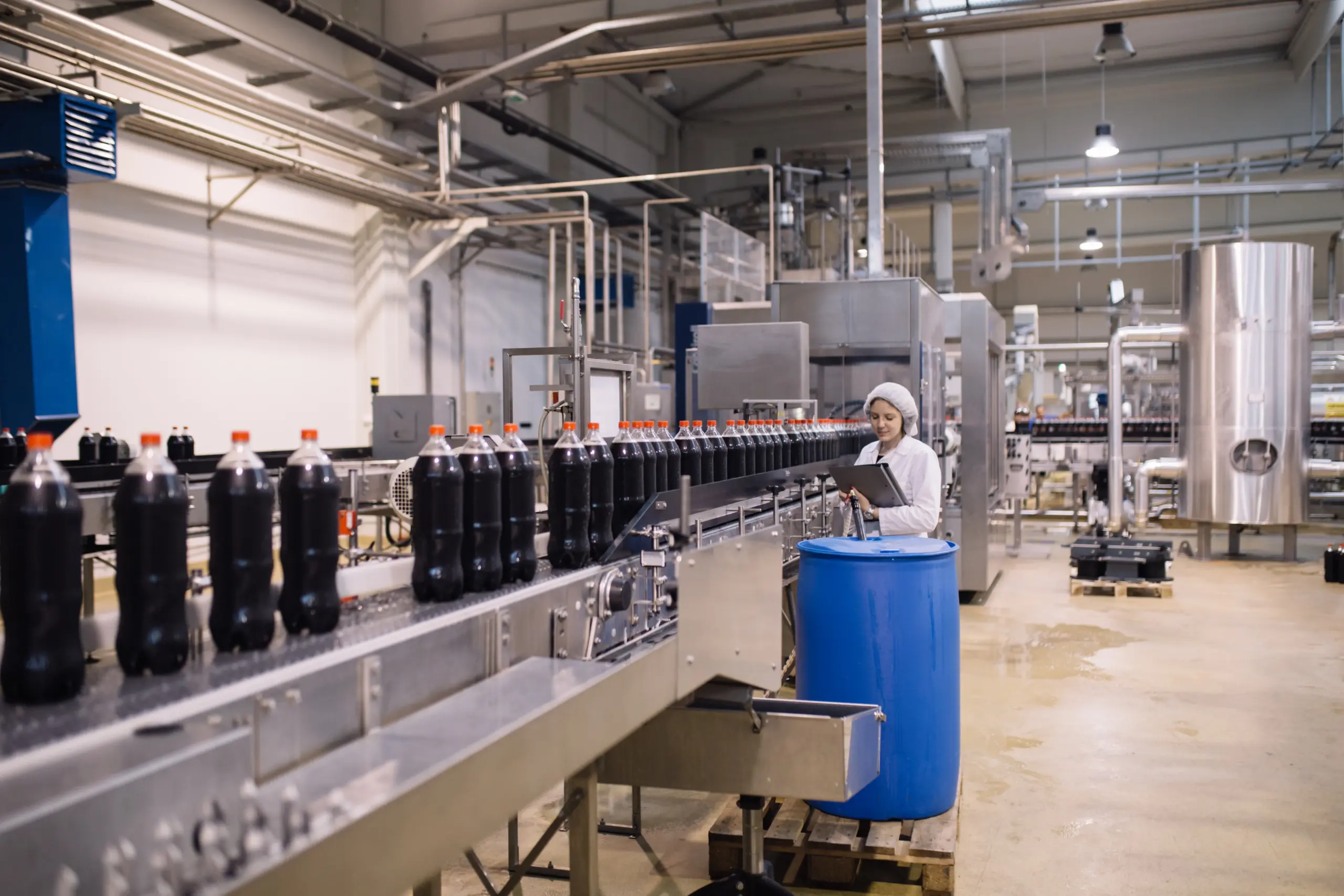
In beverage processing areas and wet processing areas, as well as throughout the entire production cycle, it is necessary to minimise biological contamination at every stage of the work process, including the correct storage of products in cold storage areas or underground. This also includes ensuring the safety and protection of operators.
Solutions resistant to high temperature variations and thermal shocks, with sufficient anti-slip to guarantee high performance in wet areas. For dry areas, it is also possible to apply a smooth finish for easy cleaning or decorative systems for showrooms.




Nonslip

HACCP certificate

Ponte alle fessurazioni

Resistant to chemicals

Fire resistance class Bfl-s1

Work Safely

VOC Free

Contributes to LEED credits.
Application Areas
The resin flooring in the reception and processing area is highly resistant to acids and completely impermeable, making it easy to sanitise. These properties are essential for unloading, destemming, crushing and pressing grapes. It is the ideal flooring solution for wineries, offering a combination of hygiene, durability and resistance to the heavy loads of winemaking machinery.
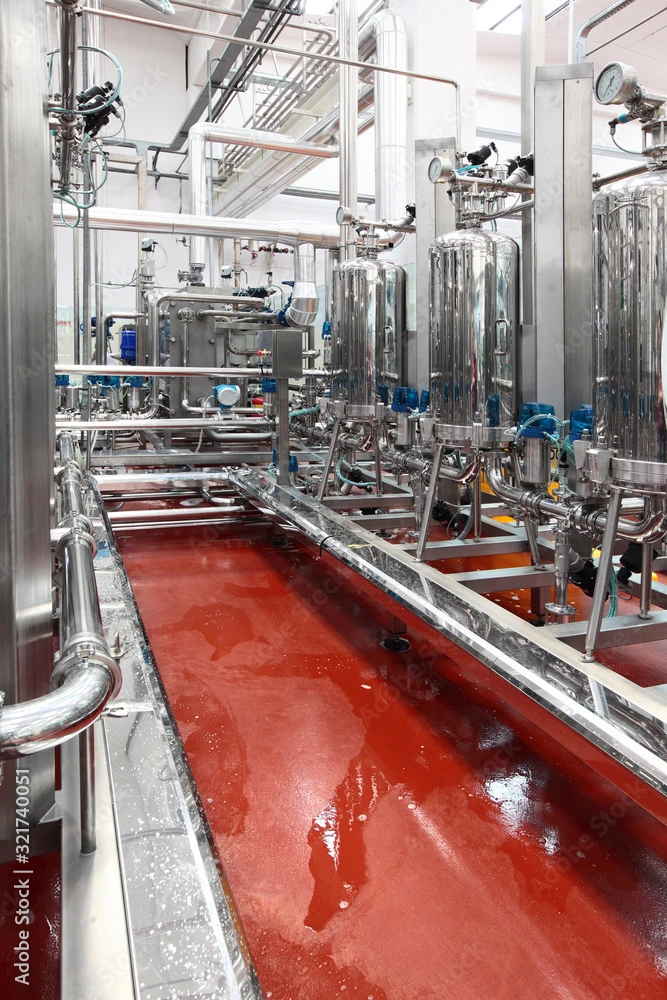
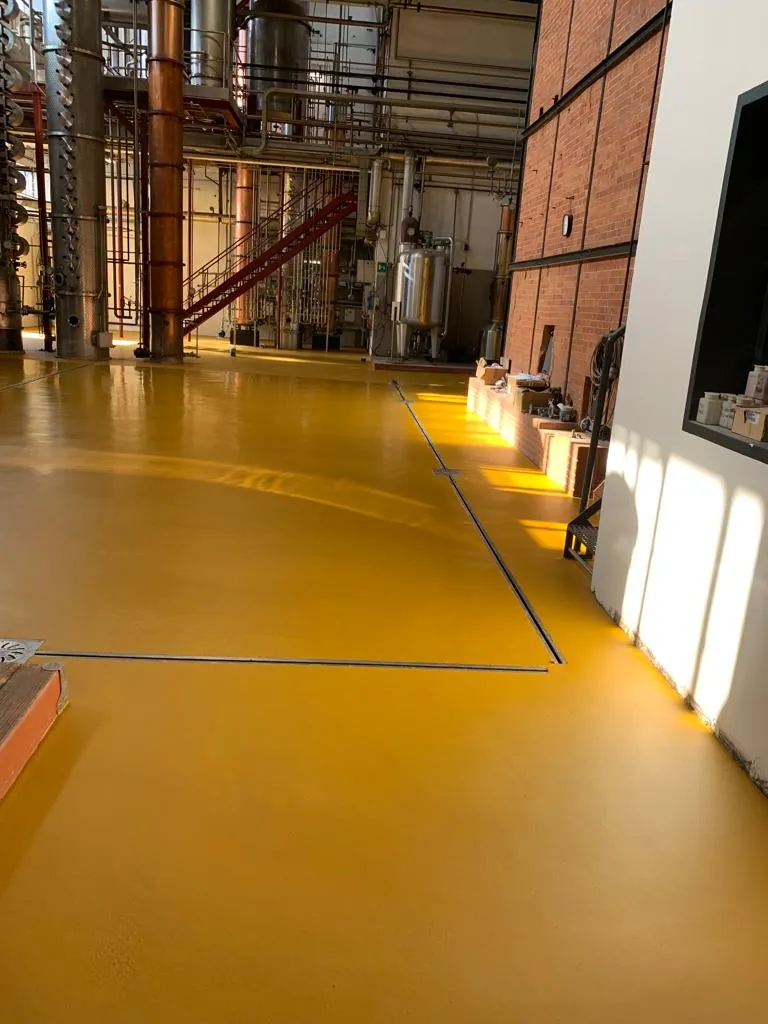
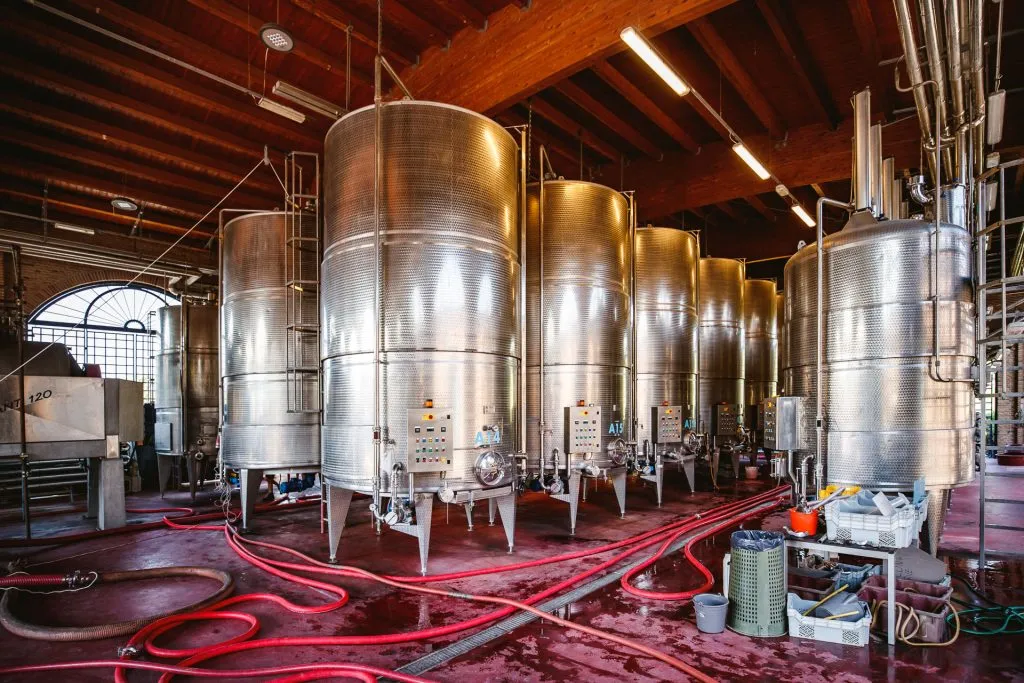
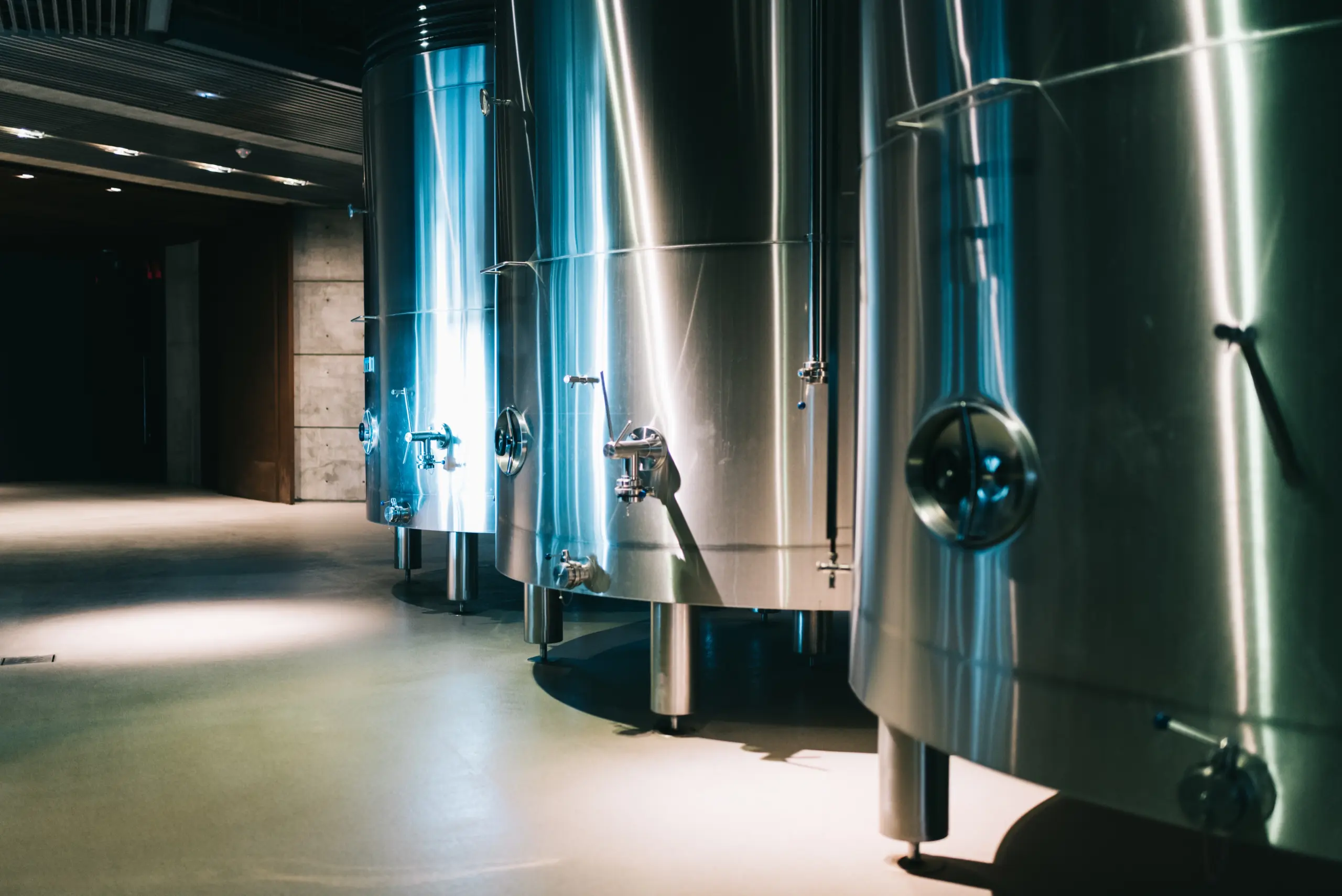
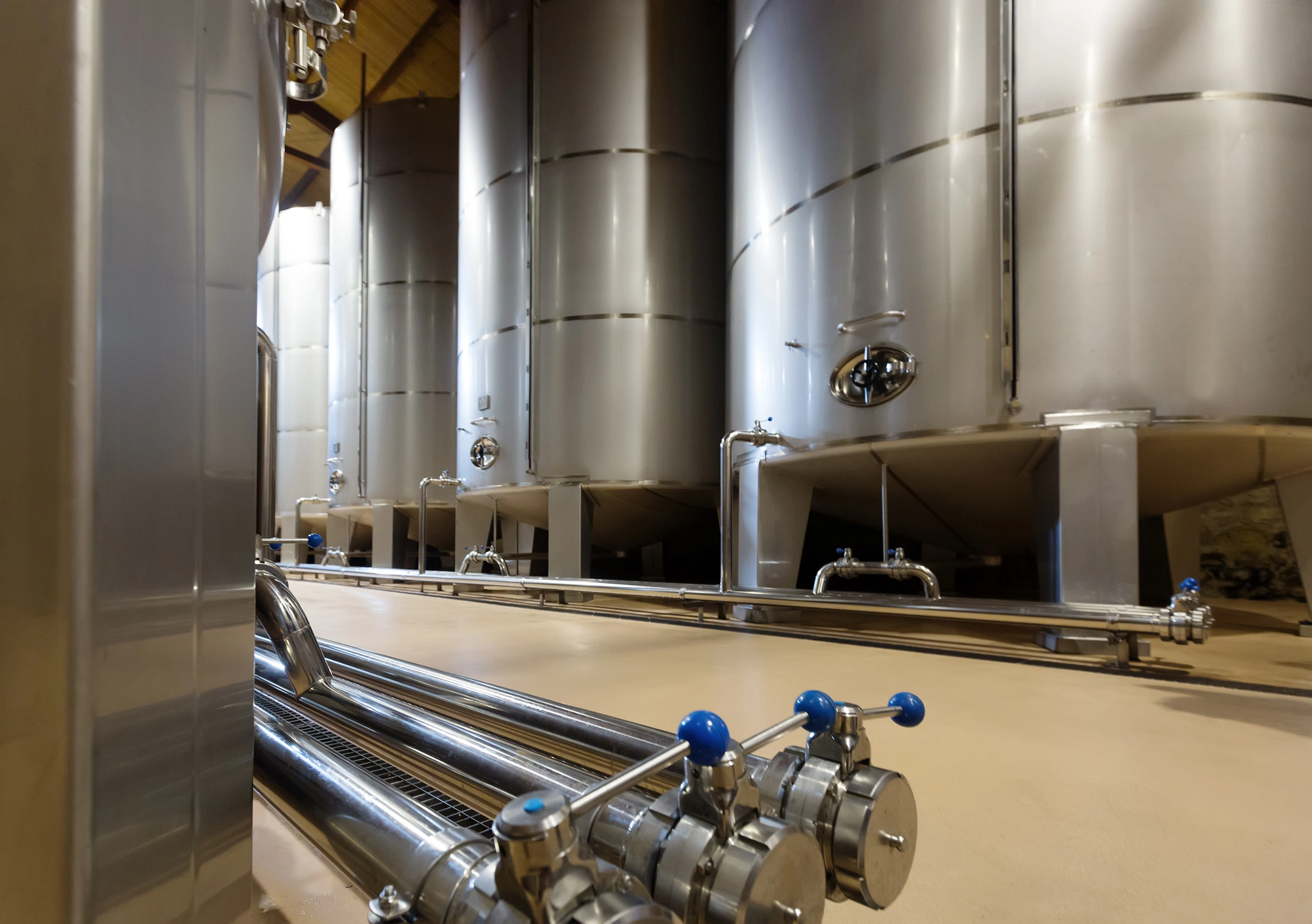
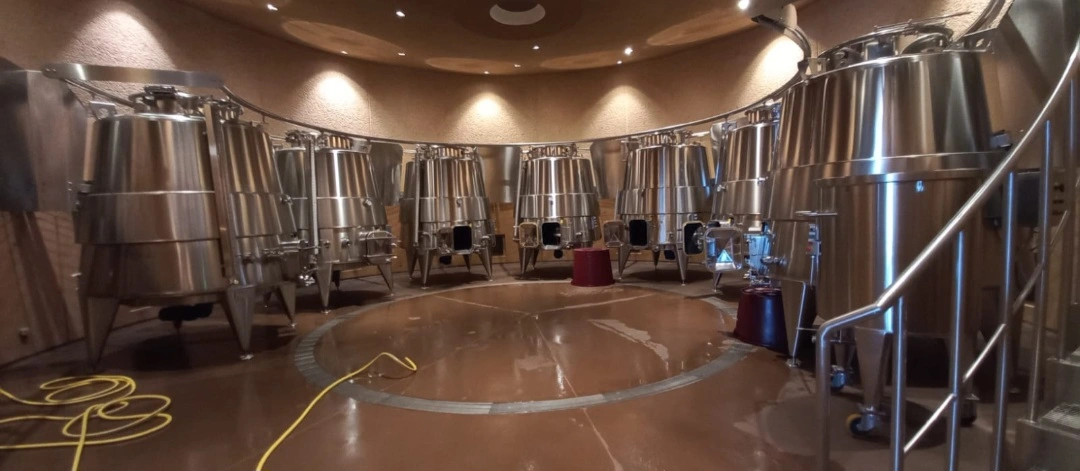
Resin flooring is ideal for use in fermentation rooms containing steel tanks or vats. It provides excellent chemical resistance to acids and alcohols, complete impermeability and anti-slip properties. These properties are essential for ensuring safety and hygiene throughout the fermentation process. Resin flooring provides total protection against leaks and is resistant to temperature changes, making cleaning easy and allowing for optimal control of the production process.
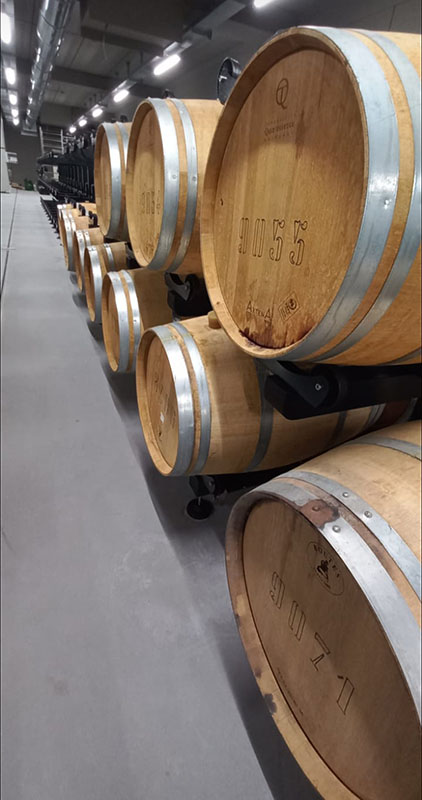
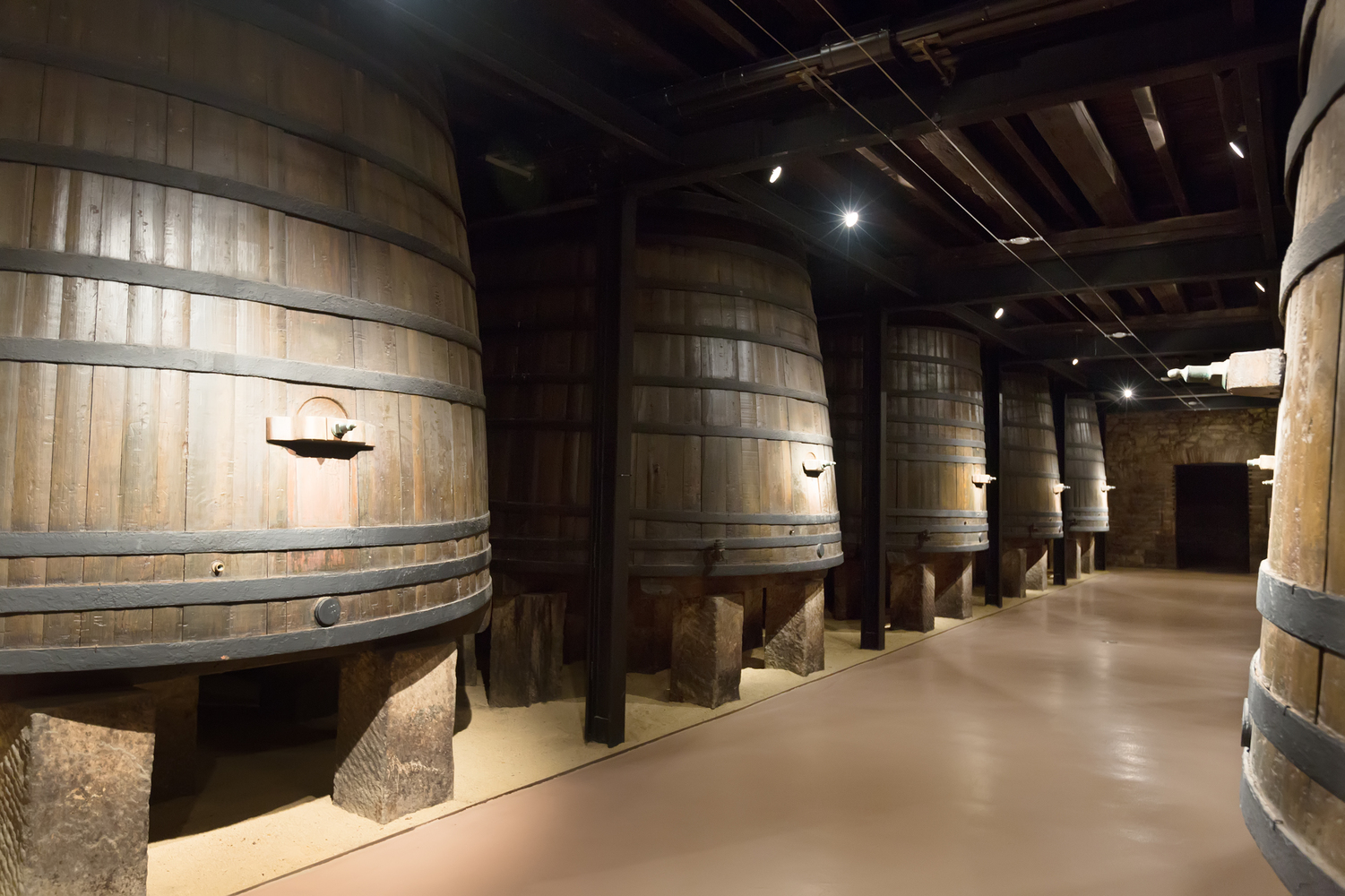
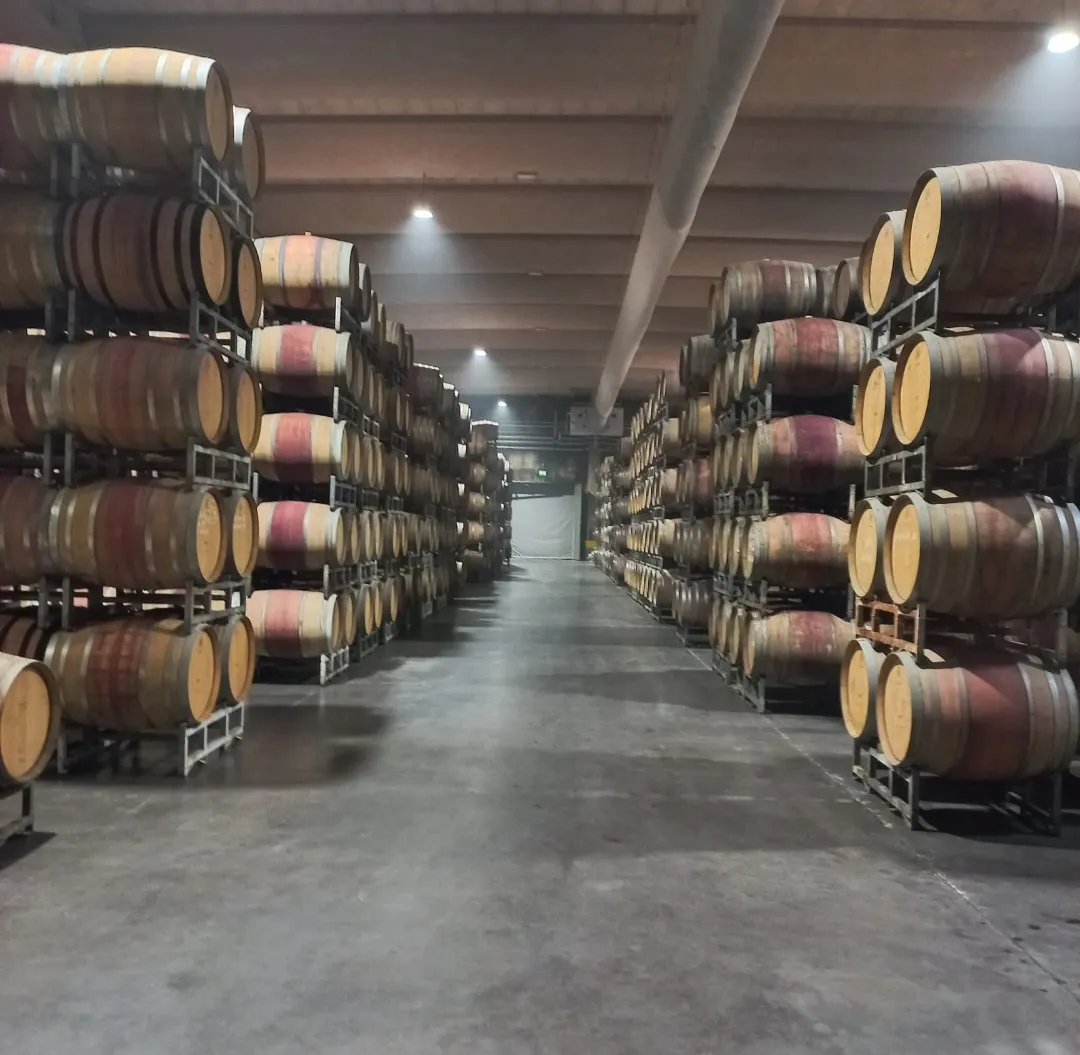
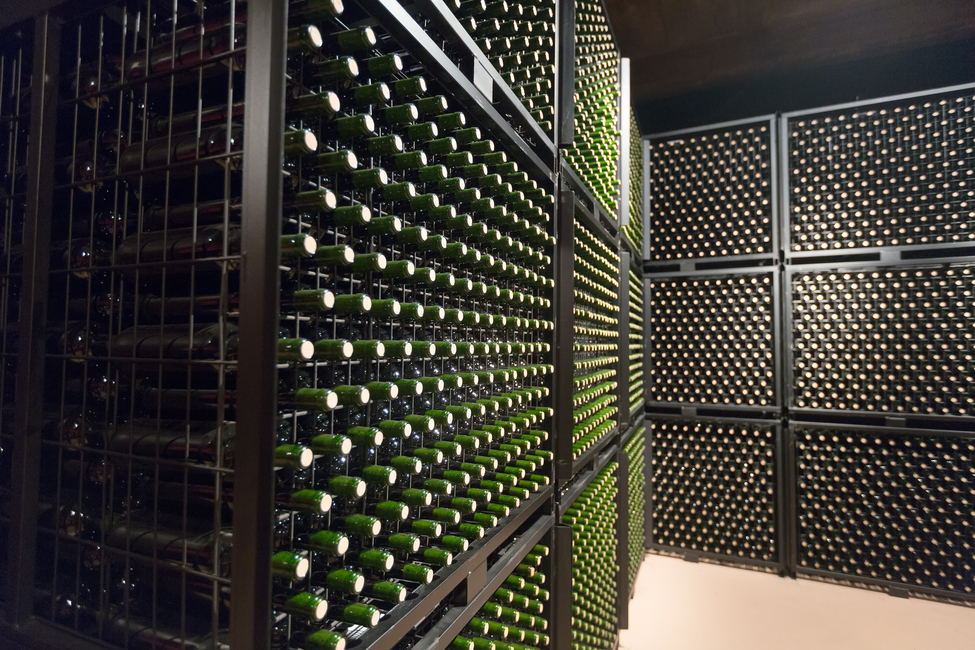
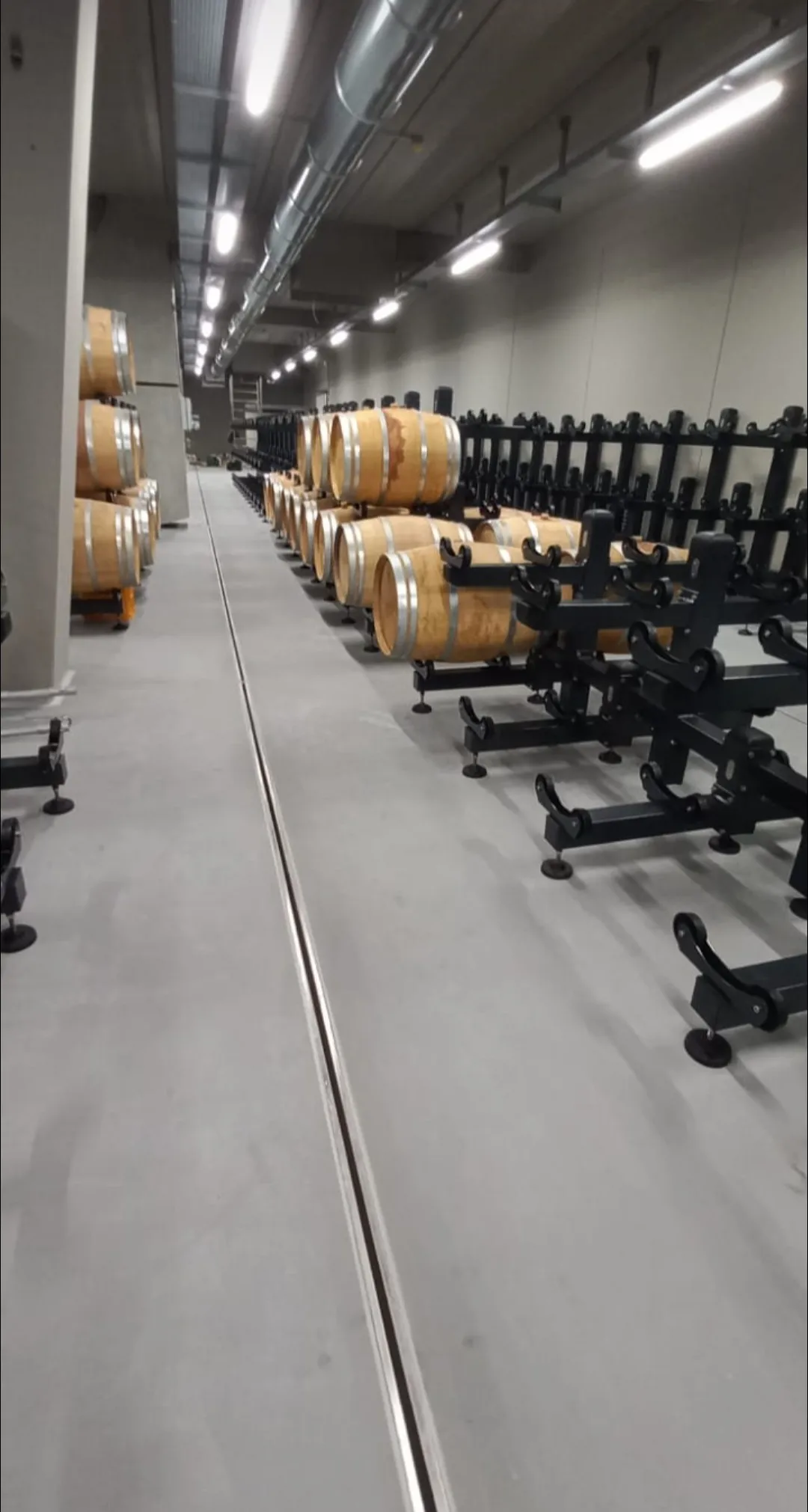
The resin flooring in the wood barrel ageing room and the large barrel ageing room ensures hygrometric stability, providing a robust, continuous surface that can withstand the weight of the barrels and is resistant to traffic from barrels. The surface is easy to sanitise, helping to maintain a constant temperature and humidity in the barrel cellar.
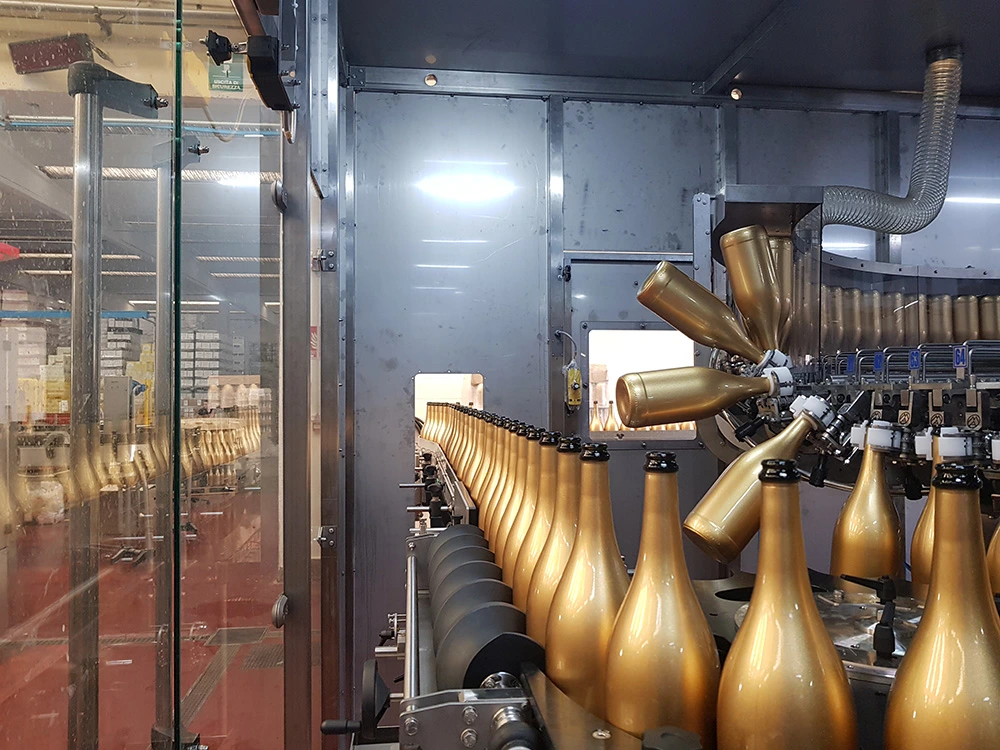
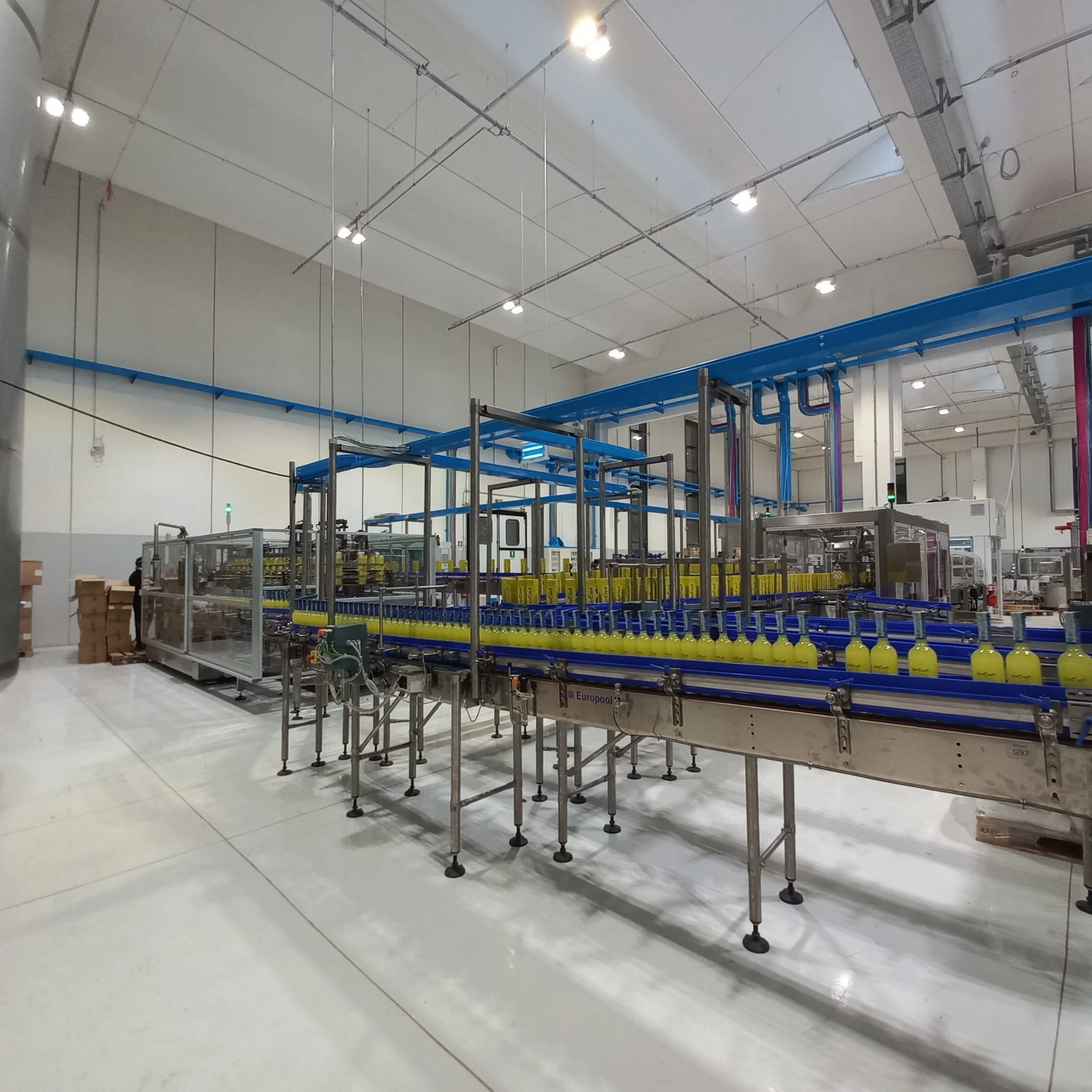
The resin flooring used in the steel storage room and the area housing machinery, such as the bottling line, is highly resistant to heavy traffic and provides antistatic and non-slip properties. This guarantees operational safety and the highest hygiene standards throughout the process. The smooth, joint-free surface allows trolleys and automated systems to move easily and offers complete protection against vibrations, impacts, and accidental spills.
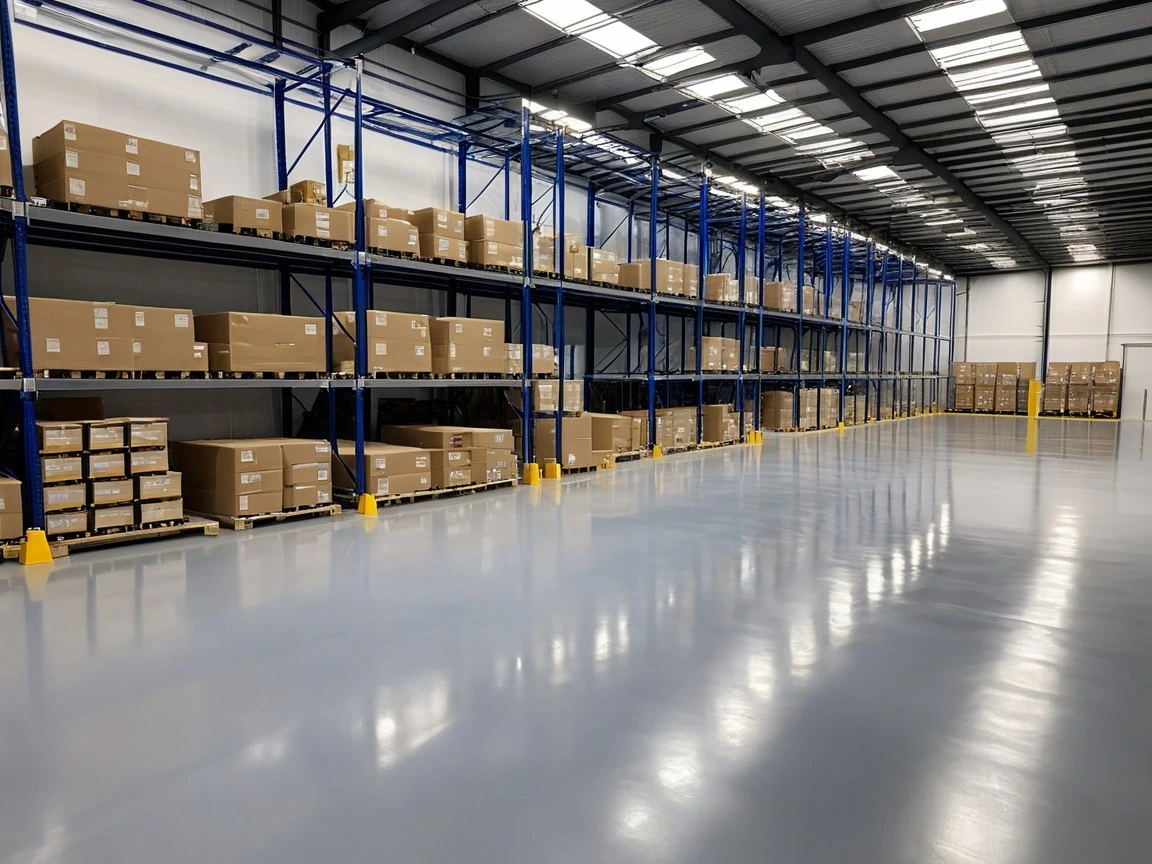
In areas used for storing materials (such as caps, labels and cartons) and in bottle warehouses, resin flooring provides the necessary mechanical strength and impact resistance for shelving and pallets, as well as ensuring a perfectly flat surface.
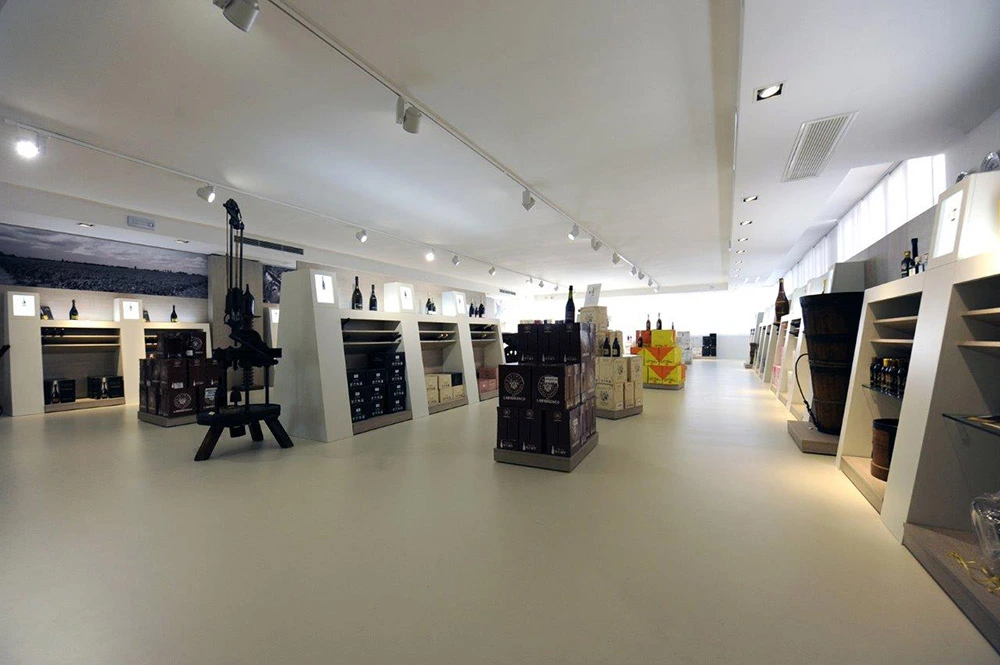
When designing a winery, it is not enough to focus solely on managing the production phases; it is also necessary to provide spaces for visitors.
Today, a winery must be equipped with reception and hospitality areas for visitors. All this is preparatory to highlighting the characteristic features of the landscape with which the winery is connected and which, in turn, is a defining feature of the wine produced: it is therefore necessary to imagine areas for tasting, for direct sales of the product, for the organization of special events, or for use as small museums.
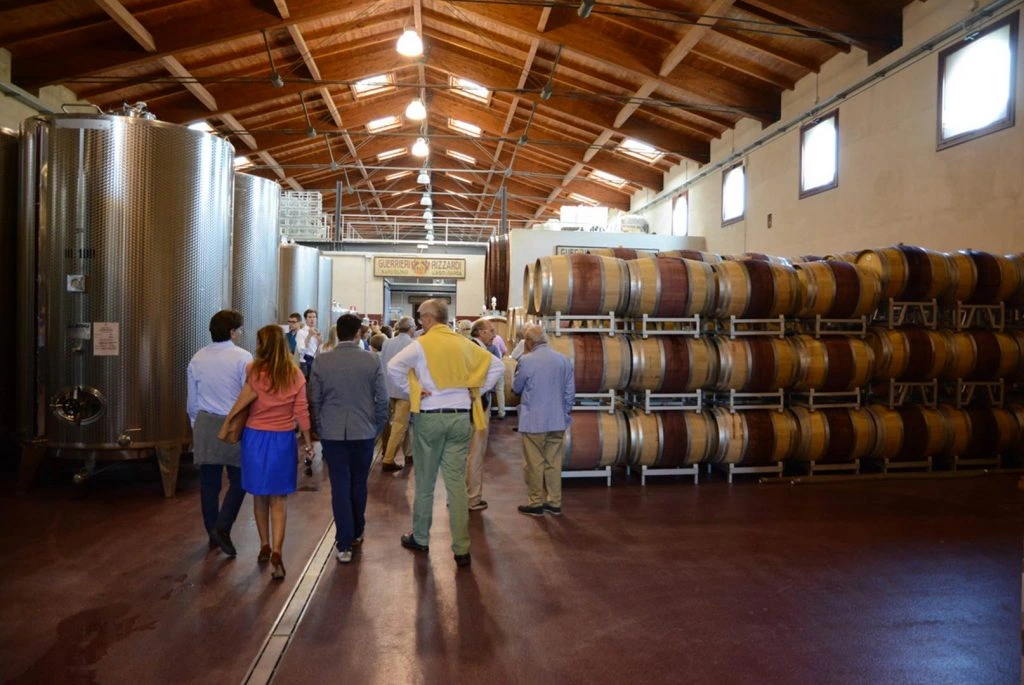
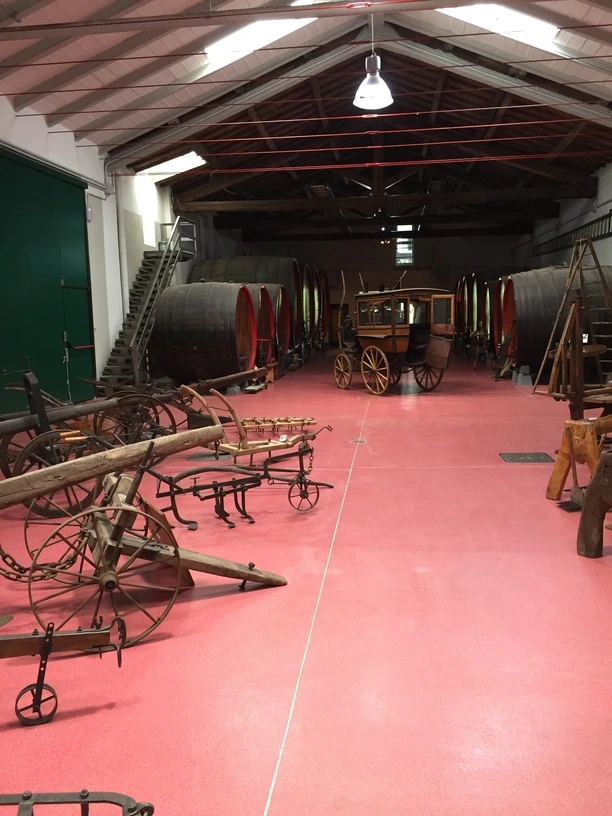
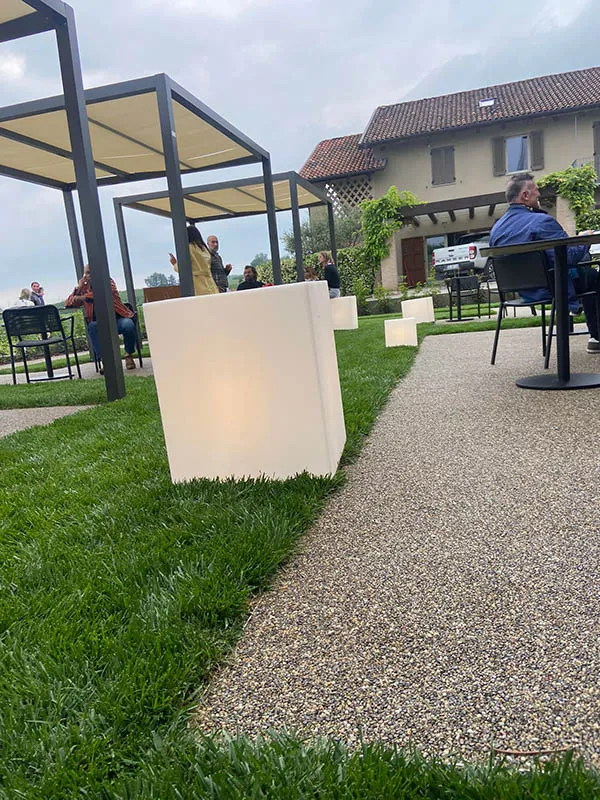
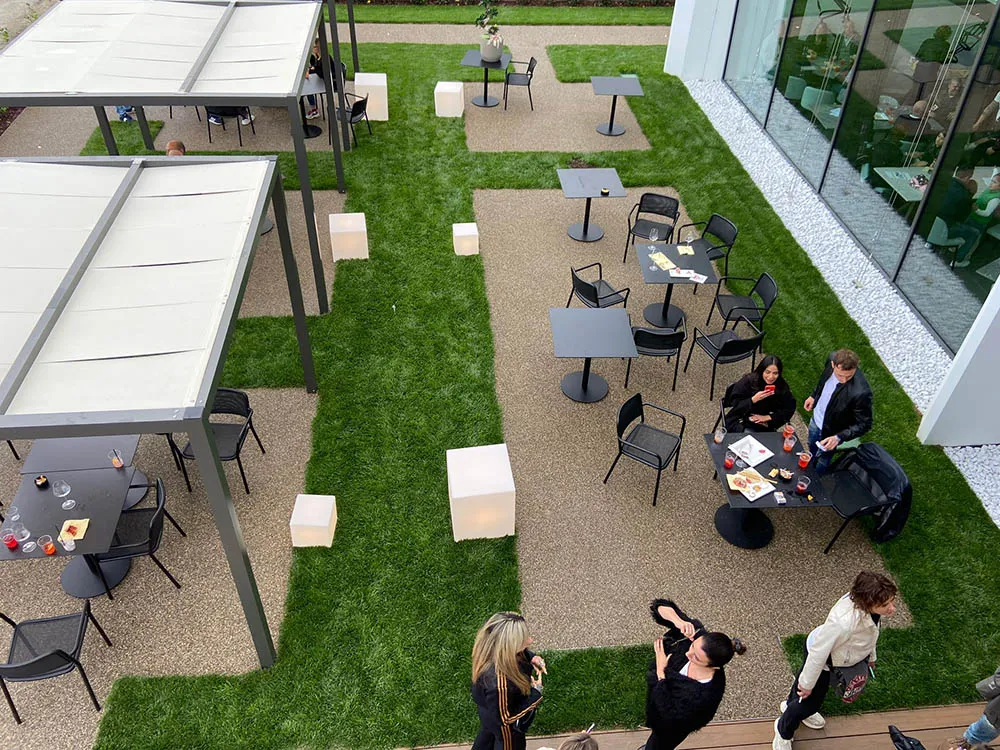
For outdoor areas in wineries, such as footpaths, wine tourism reception areas, and lounge areas, draining outdoor flooring is the ideal, long-lasting solution. It avoids the use of impermeable surfaces such as asphalt and concrete, and provides greater stability than interlocking paving and loose gravel. It combines hospitality for tourists and environmental sustainability, using certified materials with very low VOC emissions that help to preserve the local area.

CHANNELS, COLLECTION WELLS AND WALL FITTINGS

To prevent the accumulation of dirt, bacteria, and potentially contaminating processing residues, the design and installation of drains for the collection and removal of liquids is important. In accordance with HACCP standards, a surface equipped with a drainage system helps to increase the level of hygiene and operator safety. Fillets more effectively prevent dirt and bacteria from settling in the cracks between perimeter walls and the floor, making the flooring continuous and surfaces easier to clean.
OUTDOOR: SUSTAINABILITY AND WINE TOURISM
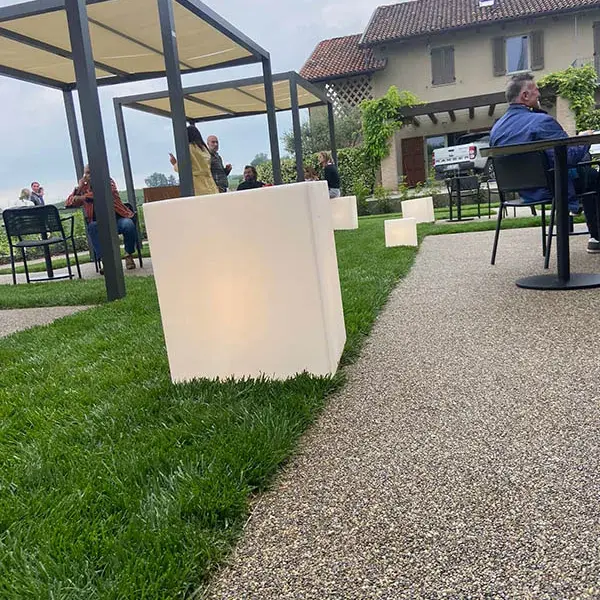
A winery’s first impression on tourists begins outside, with a tidy environment.
The most challenging aspect of the design is the outdoor paving of external areas such as squares and pedestrian walkways, as the most suitable material must be chosen bearing in mind drainage and rainwater filtration.
Environments
- Crushing and destemming
- Fermentation
- Ageing/maturation
- Bottling
- Bottle storage
- Tasting room
- Showroom and sales area
- Lounge area, cafeteria
- Car park
- Office spaces
- Outdoor areas