
Leader in resin flooring

Leader in resin flooring
Resin flooring – Application areas
Electronic sector & at-risk premises, data centres
Long-lasting anti-static protection for critical environments and sensitive devices
AST/ESD surfaces
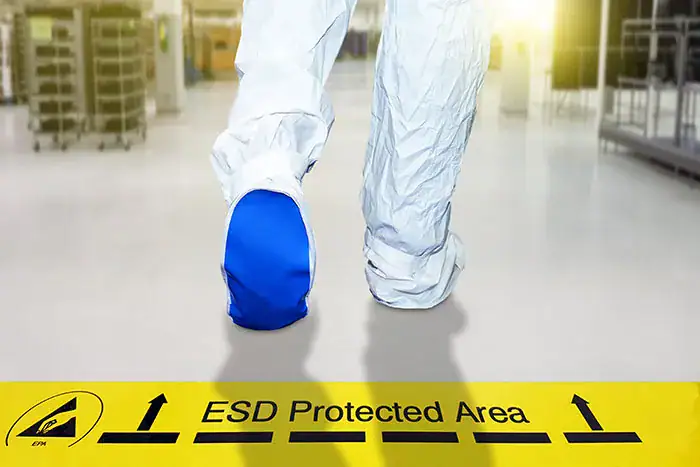
The design and choice of a resin coating in environments subject to stringent regulations is of primary importance: in complex and difficult environments, it must meet the needs of each activity, ensure surface continuity, greater resistance and prevent the accumulation of dirt and dust, factors that facilitate the onset of ESD (Electro-Static Discharges), to protect equipment, the environment and people. Effective protection against possible damage caused by electrostatic discharges is provided by ESD-protected areas, known as EPAs (Electrostatic Protected Areas). Within these areas, special precautions are taken to ensure that components sensitive to electrostatic discharges can be handled safely without damage. The ATEX zone (acronym for ATmosphères EXplosibles, or “explosive atmosphere”) or classified zone is a physical volume that is part of a plant or work area where the probable presence of a potentially explosive atmosphere has been assessed, in which flammable substances are present in the form of vapours, gases, mists or dusts with air under certain atmospheric conditions, where combustion can cause explosions. Conductive, dissipative or antistatic flooring can result from using different levels of electrical conductivity. These resins may be embedded with copper mesh that is connected to the grounding line.




Acoustic comfort

Antistatic restraints

Crack Bridging

HACCP Compliant

Clean Rooms

Antibacterial

Electrostatic constraints

Solvent free

Contributes to LEED credits
Inoltre
DEGRADED JOINTS?
Smart Joint® The definitive solution in just 12 hours
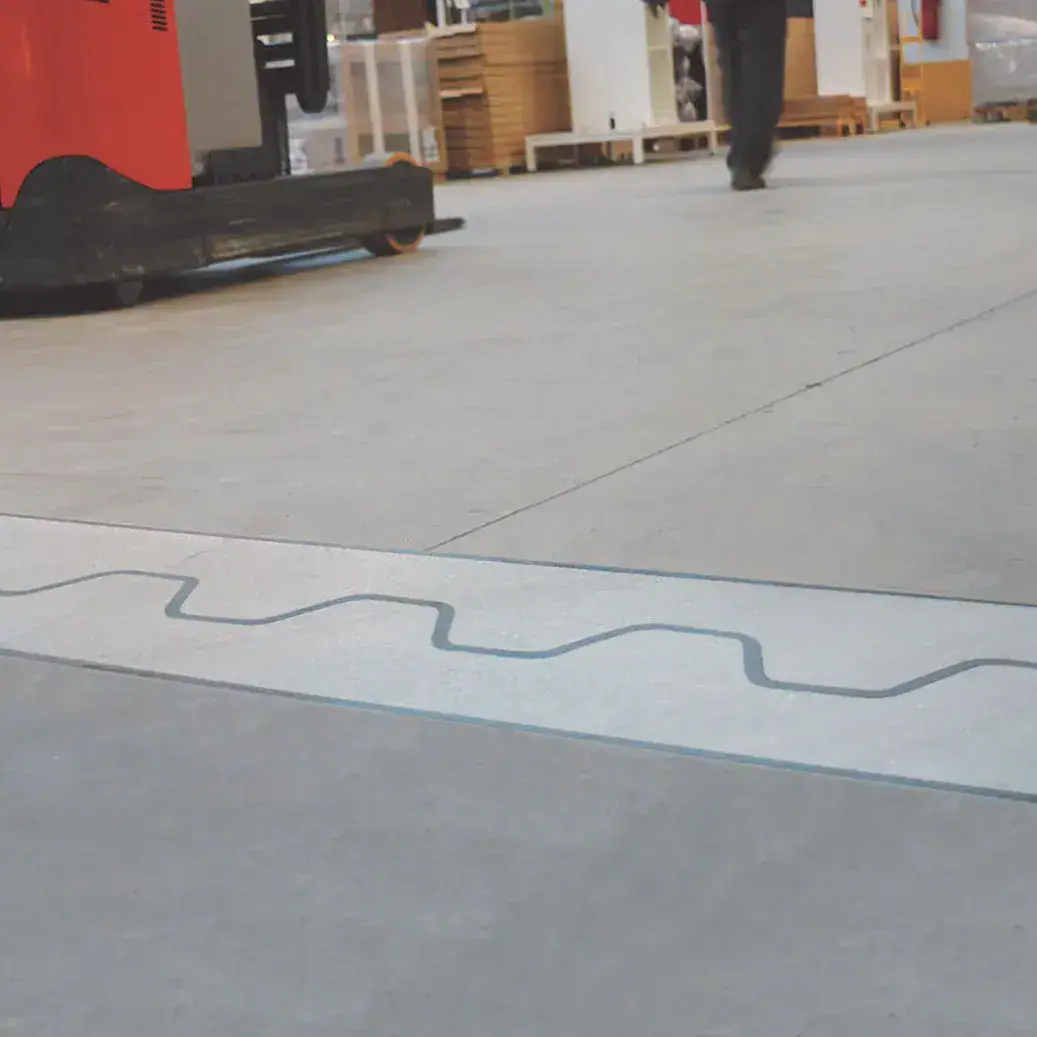
Avoid the deterioration of the flooring, achieving a smooth and perfectly flat surface that facilitates the movement of goods handling vehicles and the safety of workers.
Read More >>
Professional cleaning products for resin floors
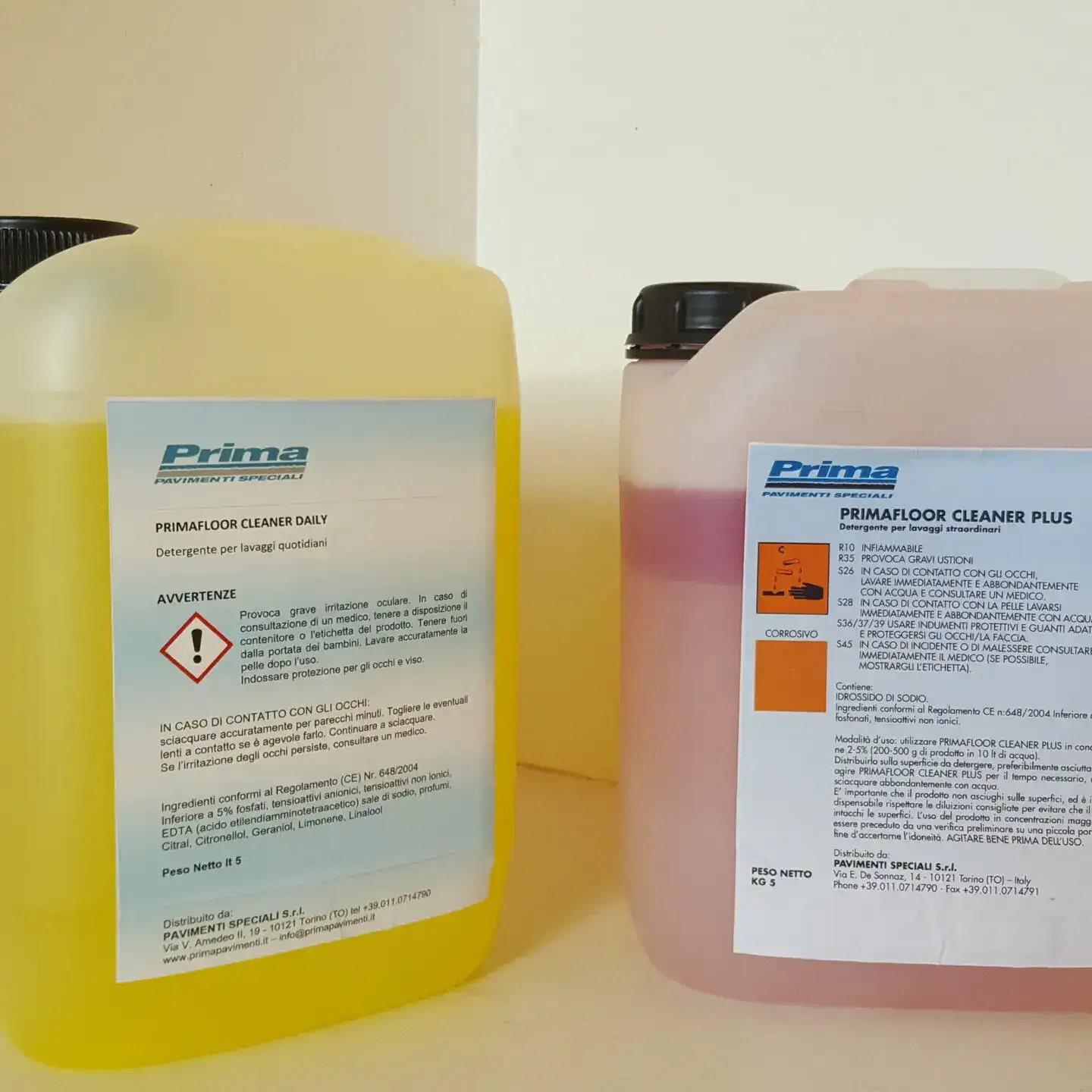
PrimaFloor Cleaner linea di detergenti professionali per pavimenti in resina.
FAQ
What is the difference between an antistatic floor and a conductive floor?
Both dissipate electrostatic charges, but at different rates and in different ways. An antistatic (static dissipative) floor has a resistance to ground between 10⁶ and 10⁹ ohms: it dissipates charges slowly, preventing them from building up. A conductive floor has a lower resistance, between 10⁴ and 10⁶ ohms: it dissipates charges much faster and is the system required in ATEX hazardous areas, where even a temporary build-up of charge could be dangerous. For plastics processing plants using flammable solvents, the right choice is almost always the conductive system, which offers better safety performance.
Where are antistatic resin floors that are also suitable for HACCP environments installed?
Antistatic resin floors suitable for HACCP environments are installed wherever two needs coexist: maximum hygiene and ease of sanitisation (to prevent food or biological contamination), and the need to discharge electrostatic charges to ground (to prevent explosion risks or damage to sensitive machinery).
Main areas of application:
– Flour milling, sugar mills and food powder processing. In flour mills, pasta factories, industrial bakeries and plants processing flour, starch, sugar or cocoa, organic dust suspended in the air can create explosive atmospheres (ATEX regulations). An electrostatic spark can trigger an explosion. The floor must therefore be antistatic/conductive for safety, but also smooth, seamless and joint-free to meet the requirements of the HACCP plan.
– Distilleries, breweries and spirits bottling plants. In areas where ethyl alcohol and high-proof spirits are produced, stored or packaged, flammable vapours are present (ATEX zones). Here the resin must prevent static electricity from building up, while also withstanding frequent chemical washing and spills of food liquids.
– Food chemicals and additive production. Plants producing flavourings, colourings, supplements or food additives often use flammable solvents or fine powders. They need dissipative surfaces that protect operators from fire risk and the product from bacterial contamination.
– High-speed packaging and bottling lines. In modern food plants, the fast movement of plastic films, packaging and conveyor belts generates strong electrostatic charges. An antistatic floor prevents unpleasant shocks to operators, malfunctions in machine sensors and dust being attracted to packaging.
– Pharmaceutical, nutraceutical and cosmetics industries (cleanrooms). Although these sectors follow specific protocols (such as GMP), they almost always require the same hygiene and washability standards as HACCP, combined with electrostatic discharge (ESD) control to protect electronic laboratory equipment and prevent static charge from attracting contaminant particles to the sterile area.
Where
- Data Center
- CED
- Electromechanical and electronic industry
- Microelectronics and semiconductors
- Producers of electronic components
- Consumer electronics industry
- Chemical-pharmaceutical industry
- Aerospace industry
- Medical and industrial gas production industry
- Textile and petrochemical industry
- Explosives production industry
- Fireworks production industry
- Flour milling, sugar mills and food powder processing
- Distilleries, breweries and spirits bottling plants
- Food chemicals and additive production
- High-speed packaging and bottling lines
- Flammable warehouses
Environments
- Electronic component assembly departments
- Departments with electronic equipment, components, and devices
- Laboratories with electronic equipment
- Operating rooms and diagnostic imaging rooms
- Clean rooms in the pharmaceutical industry
- Sterile environments in the pharmaceutical industry
- Areas of medical gas distribution plants
- Warehouses with explosive materials
- Production areas and warehouses with explosion risk
- Data centers