
Leader in resin flooring

Leader in resin flooring
Resin flooring – Application areas
Museums and showrooms
Continuous surfaces without interruptions create minimalist elegance in exhibition spaces.
Architectural continuity and custom solutions for cultural spaces
Designing resin flooring for museums requires a careful assessment of the existing substrate, which must be flat, dry, and free of contaminants. In historic buildings, consolidation work or the addition of new screeds may be necessary to meet the required technical specifications.
The choice of colour should be carefully considered, taking into account aesthetics and practicality. For instance, consider how visible dirt will be and how the colour will affect the perception of space. To avoid interfering with the work and maintain a neat appearance, neutral tones such as grey, beige or white are preferred.
Resin is a contemporary solution for museums, combining technical, aesthetic, and conservation requirements to help create functional environments suited to their cultural purpose.
The choice of resin must also be carefully considered in terms of aesthetics and practicality, such as the visibility of dirt and its effect on, perception of spaces. Neutral tones such as grey, beige or white are preferred to avoid interfering with the works and maintain a neat appearance.




Acoustic comfort

Dustproof

Crackbridging

Nonslip

Fire resistance class Bfl-s1

Eco-friendly

LEED Credits
Application Areas
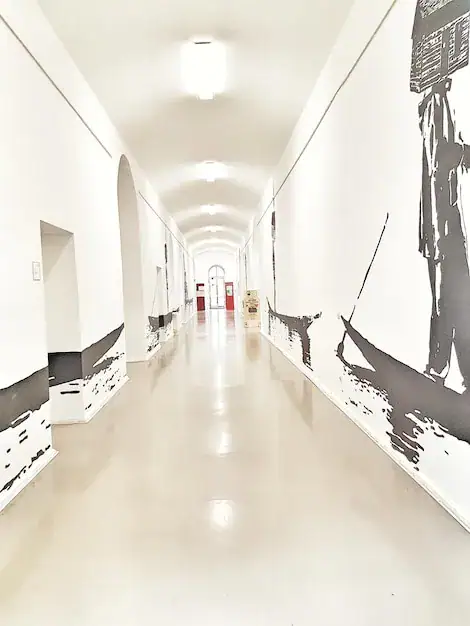
In exhibition halls, resin can be used to create perfectly flat surfaces, which facilitate the positioning of works and installations. The ability to create expansive, uninterrupted surfaces contributes to a perception of spatial continuity, amplifying the sense of openness within the rooms.
Furthermore, the ease with which partition panels or display elements can be anchored to the floor without compromising the surface’s integrity makes this material highly functional during installation and rearrangement. Decorative systems, such as self-levelling cementitious mortars and microcement, are ideal for creating flooring and architectural elements between 5 and 40 mm thick.
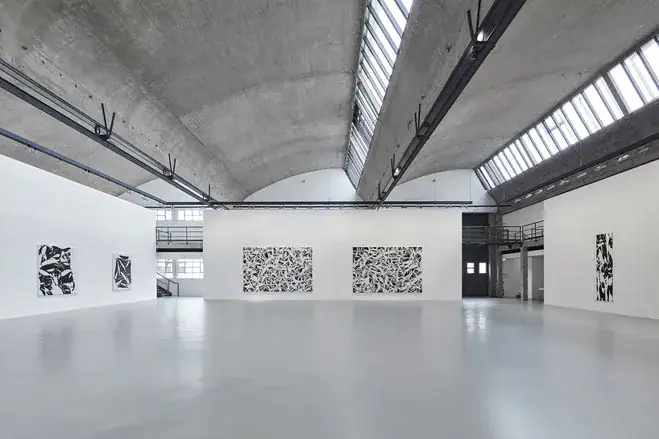
Gagosian Gallery Le Bourget – France
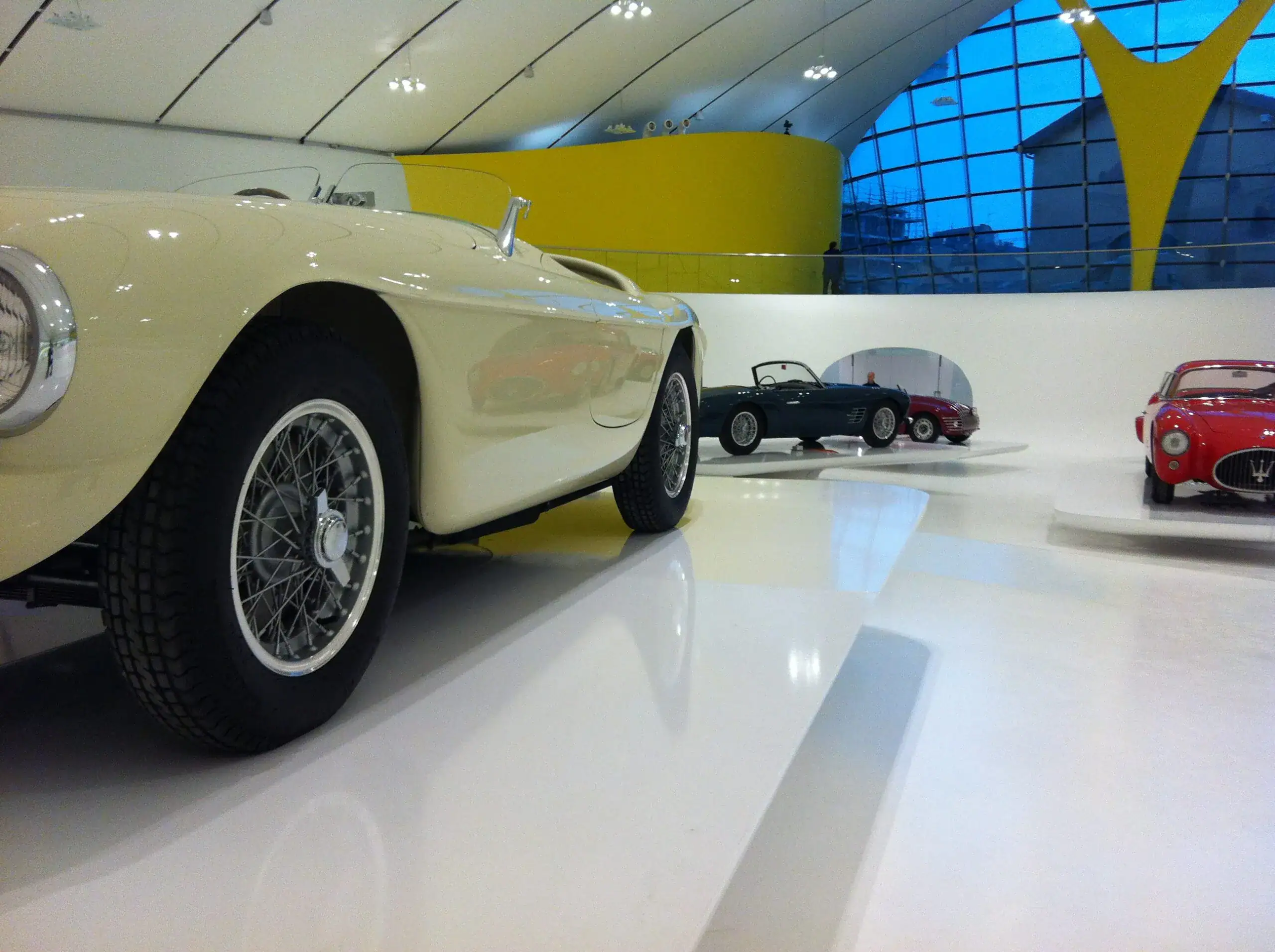
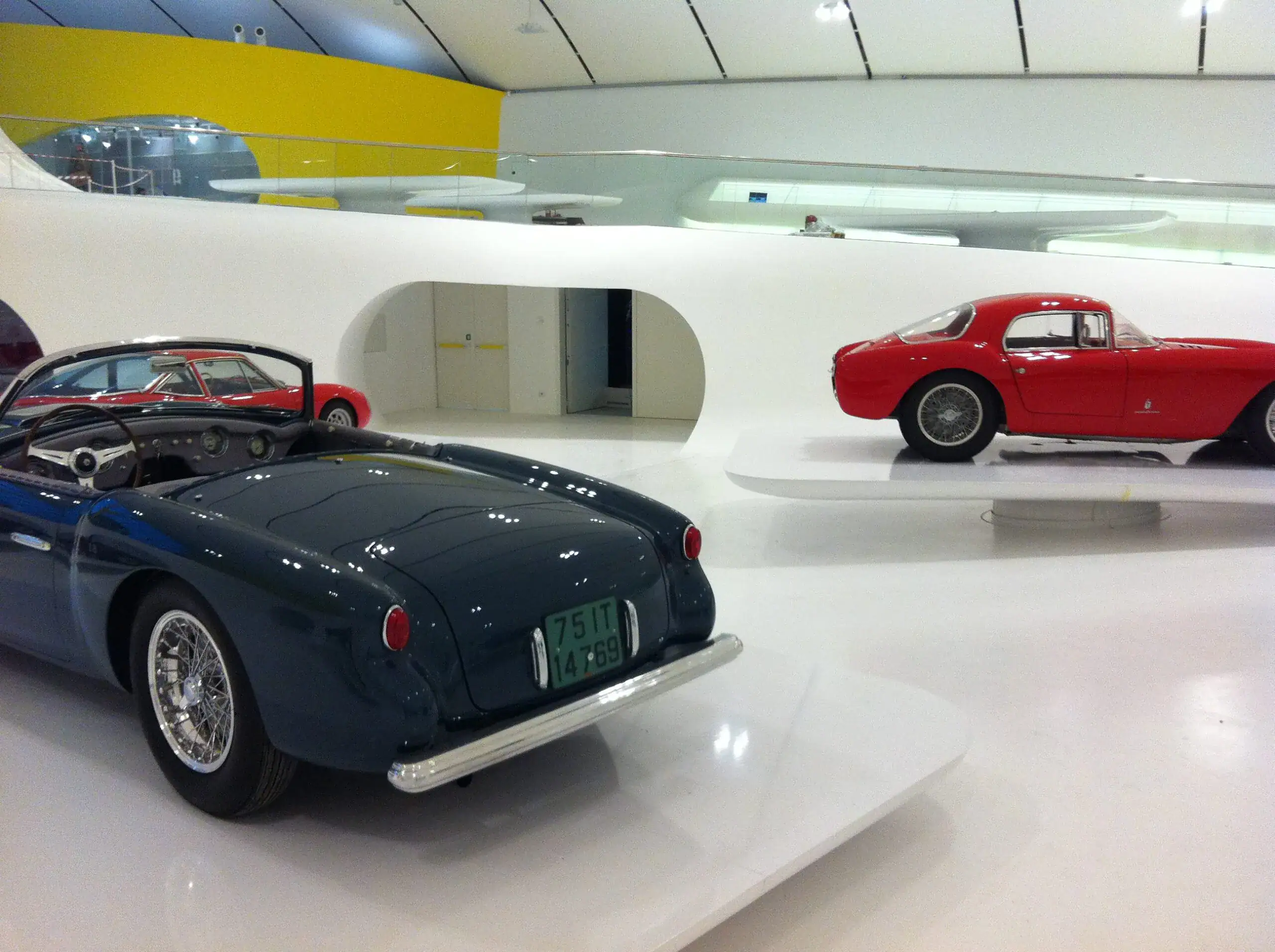
MEF – Museo Enzo Ferrari – Modena
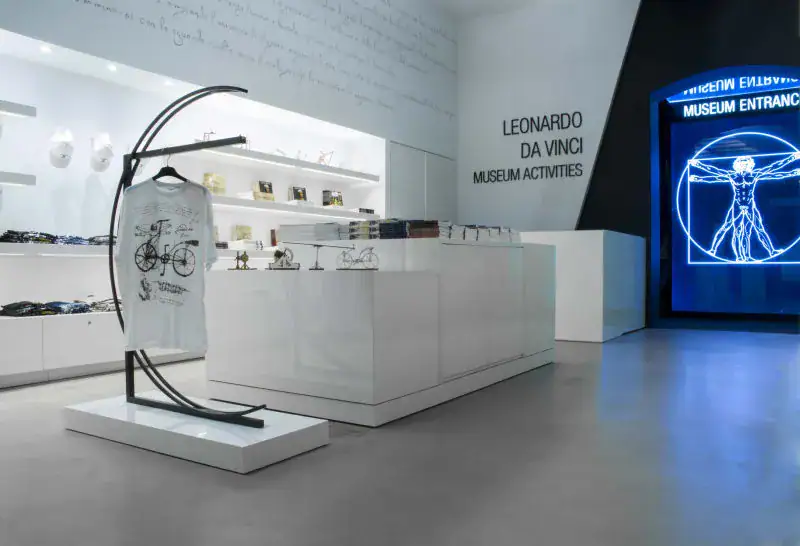
Leonardo Da Vinci – Miilano
As the first point of contact for visitors, reception areas require flooring that combines refined aesthetics with heavy foot traffic resistance. Resin flooring is ideal for lobbies, ticket offices, cloakrooms and bookshops, as it is easy to clean and maintain, and combines functionality with a high-quality appearance.
Self-levelling, polyurethane, resin-based systems of the ‘comfort’ type are equipped with a flexible, elastic rubber granule mat to ensure sound absorption.
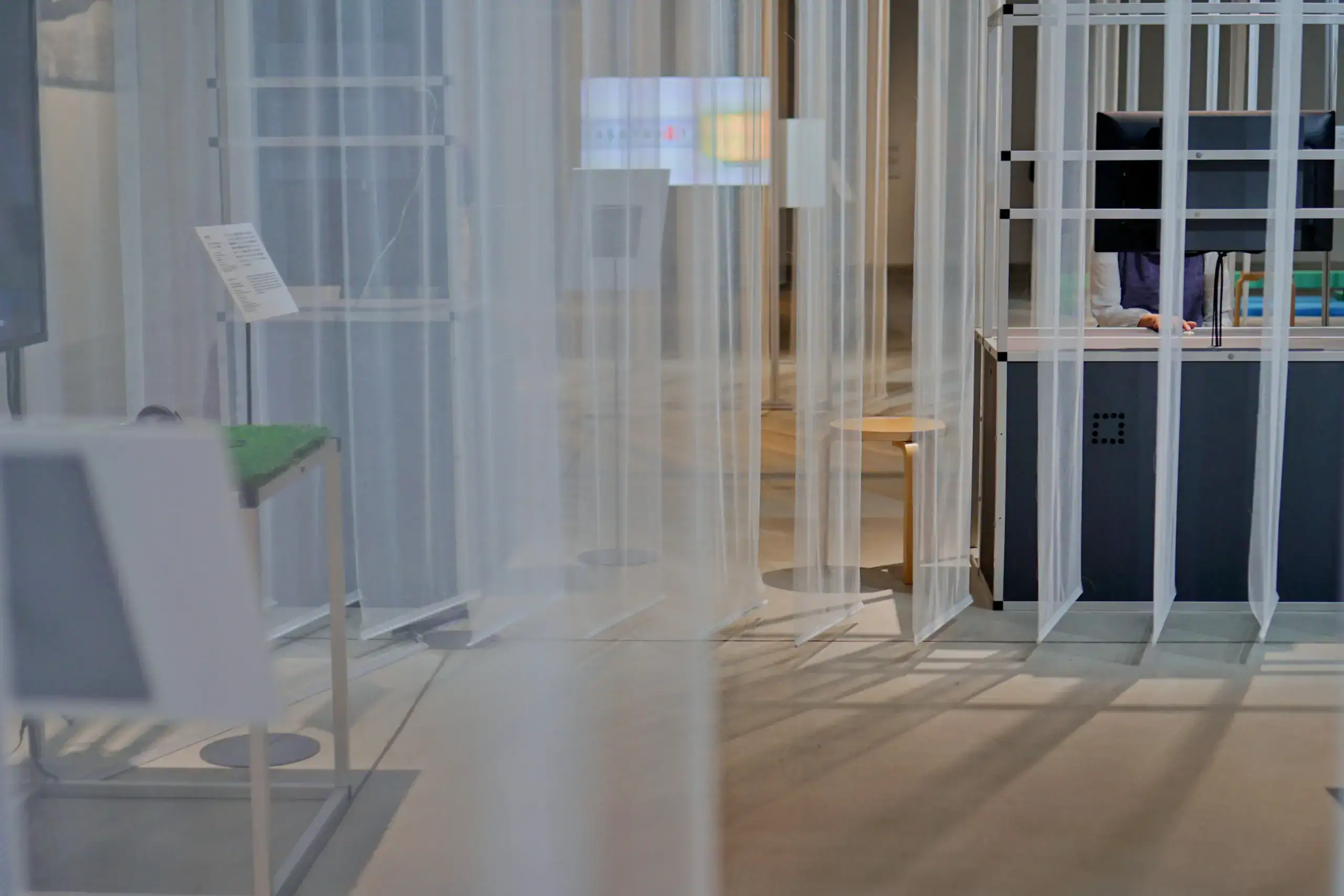
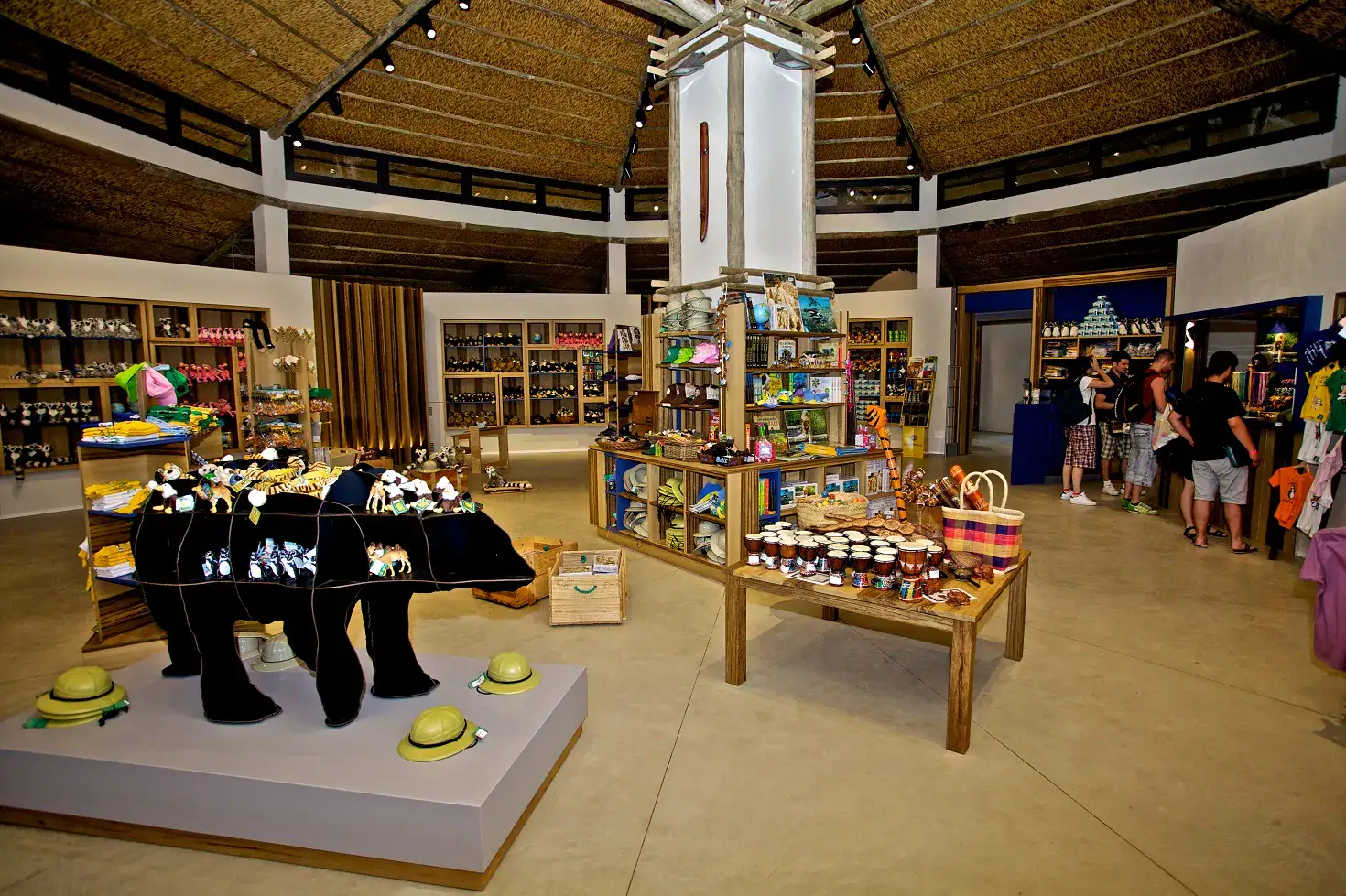
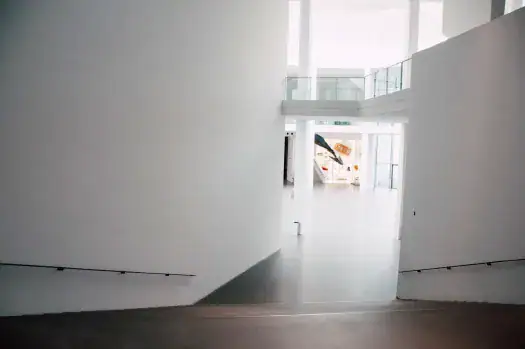
Educational and cultural spaces often host conferences, exhibitions, events and educational workshops, as well as providing library facilities. These environments must meet certain standards, offering amenities such as toilets, rooms of different sizes, bars and cloakrooms. The layout can be either sophisticated or functional and minimalist. Flooring must be functional, durable and noise-reducing. Self-levelling polyurethane resin systems can be equipped with a flexible, rubber granule mat to improve comfort and sound absorption.
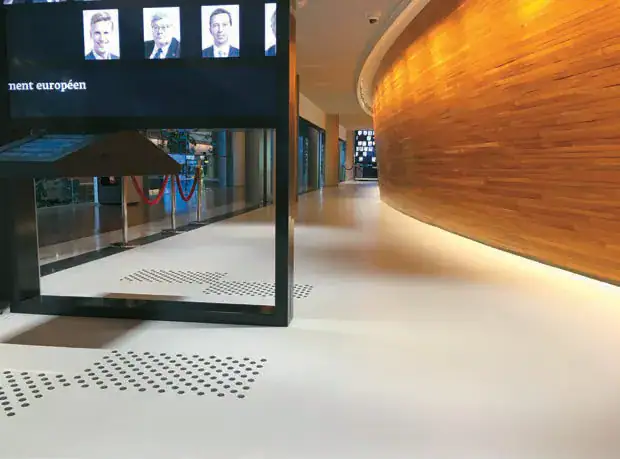
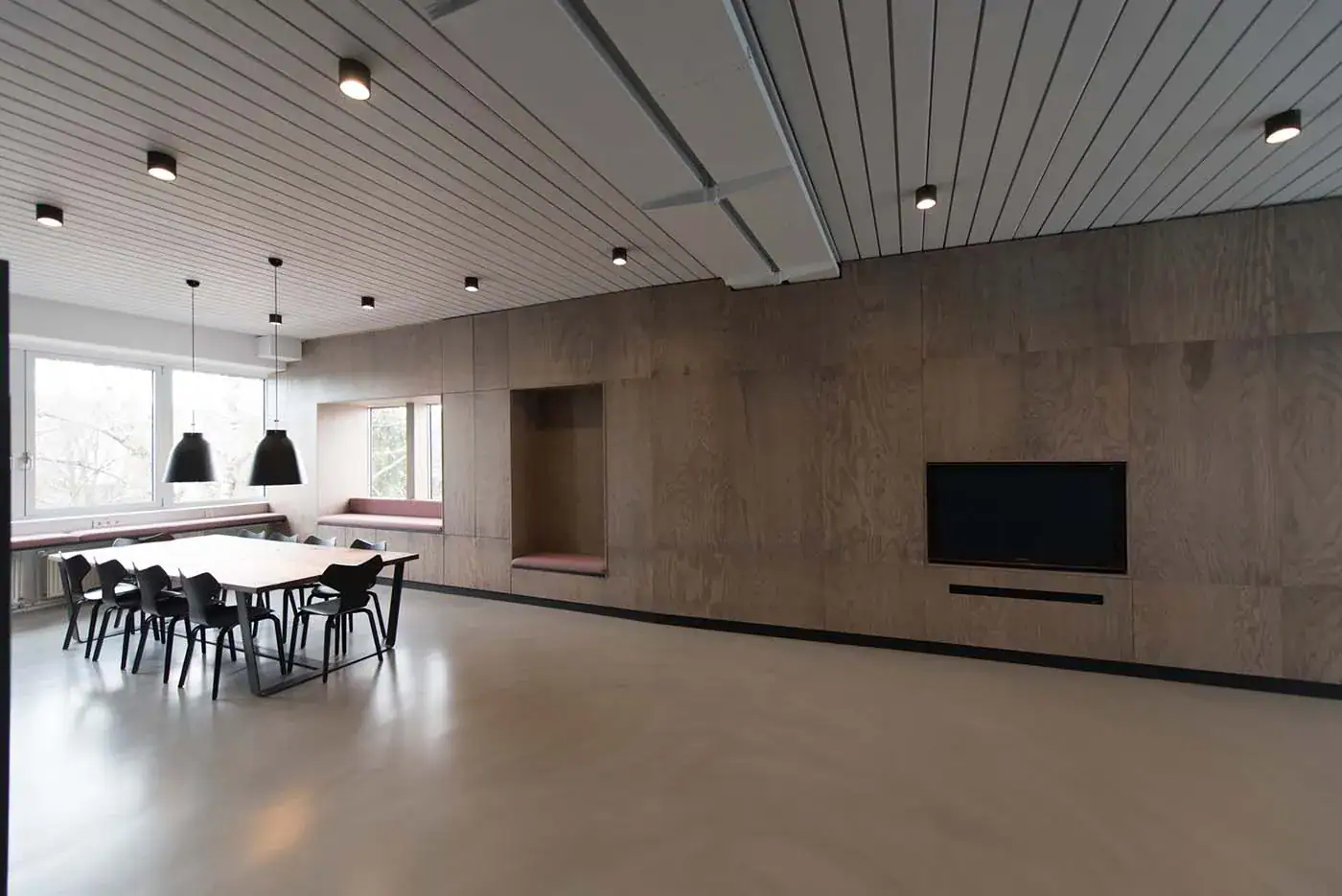
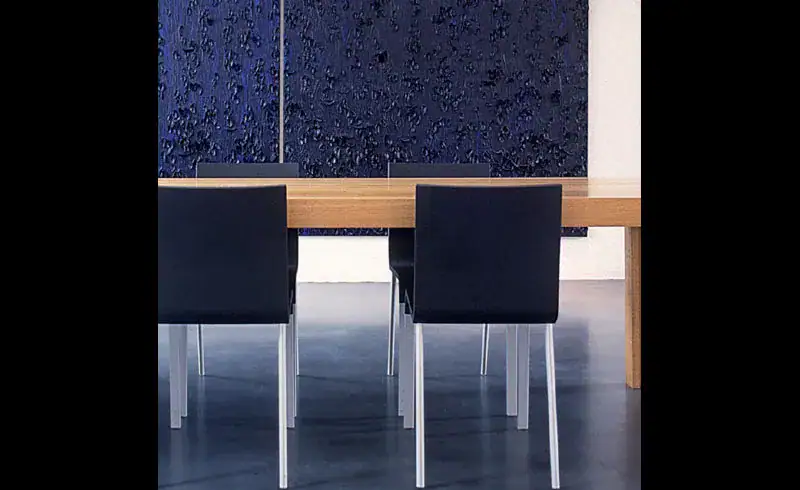
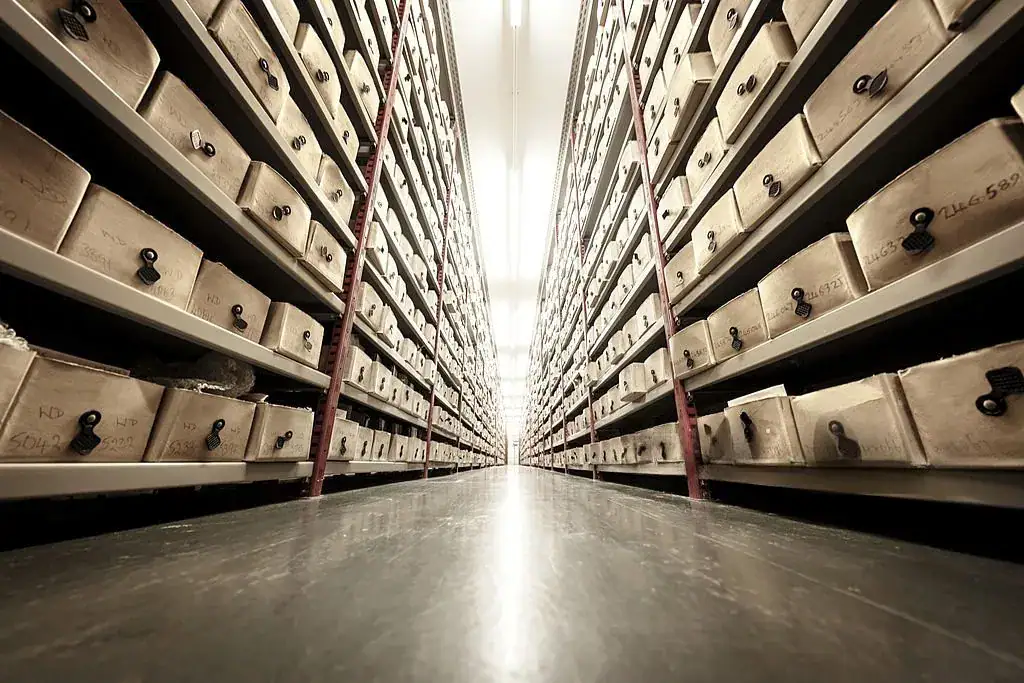
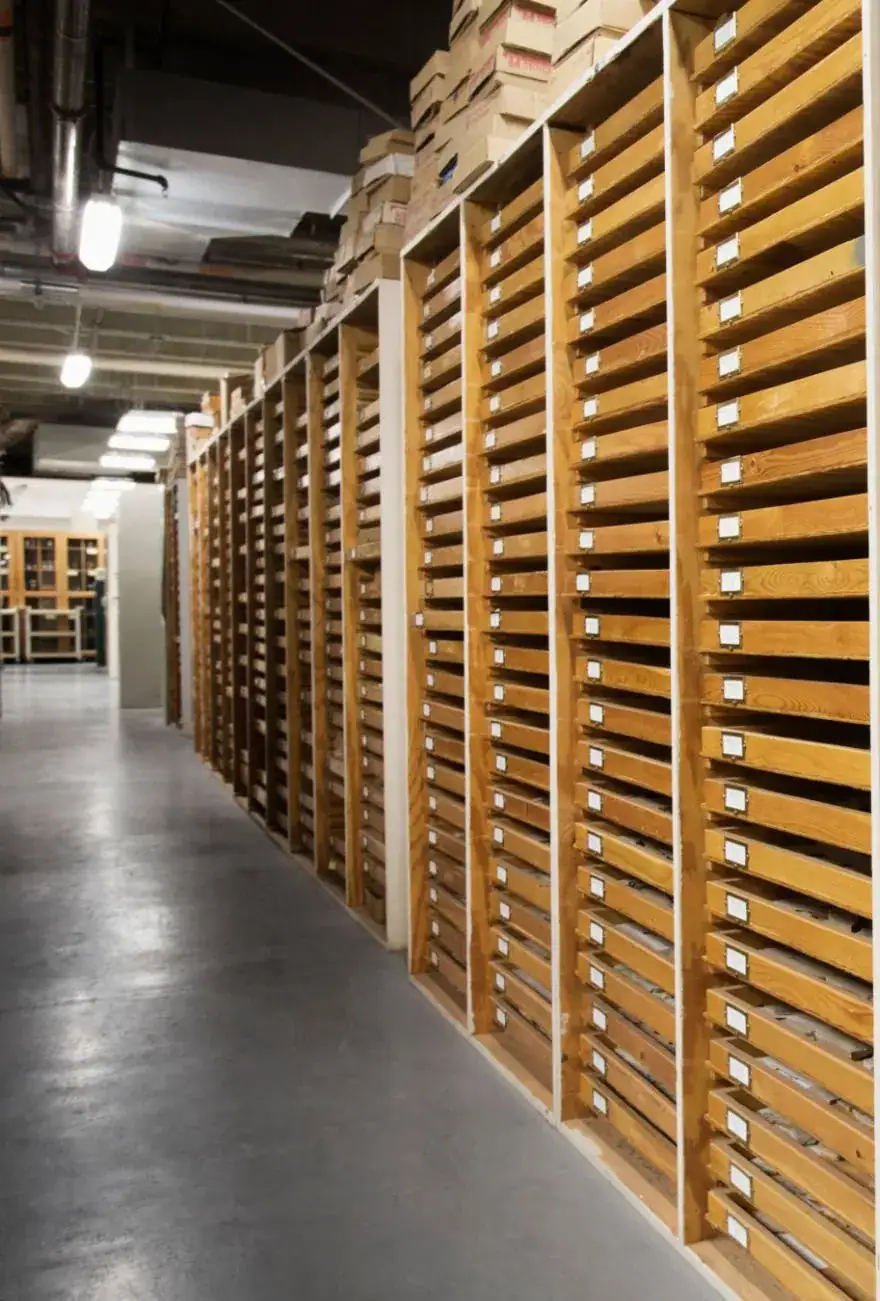
Museums store works of art and artefacts in collections for long periods. Many museums have advanced management plans for the conservation of their collections, including the management of storage facilities and flooring.
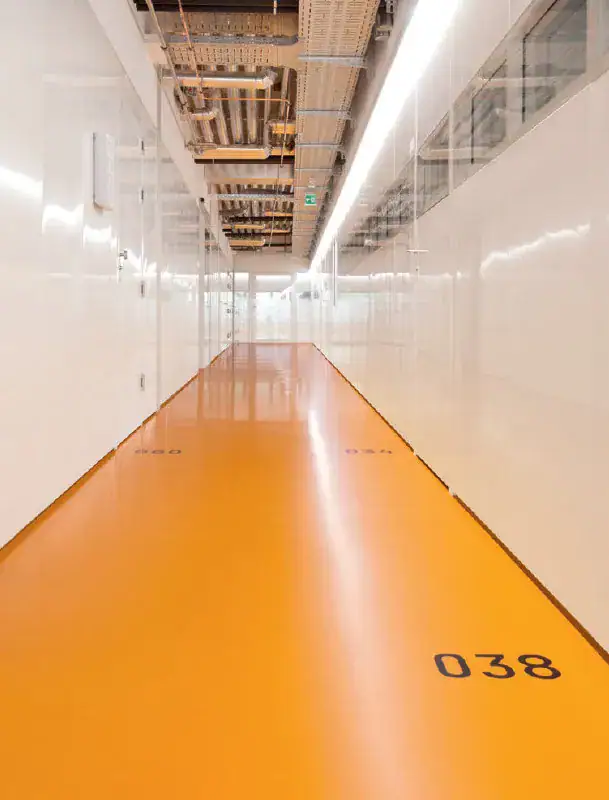
Often, in underground archives or warehouses, the floor is made of concrete. For such environments, we recommend sanding and polishing to remedy the porosity of concrete floors and prevent subsequent deterioration. The Prima Polishing Fast System® is a rapid concrete floor polishing system that makes surfaces resistant, reflective and easy to clean.
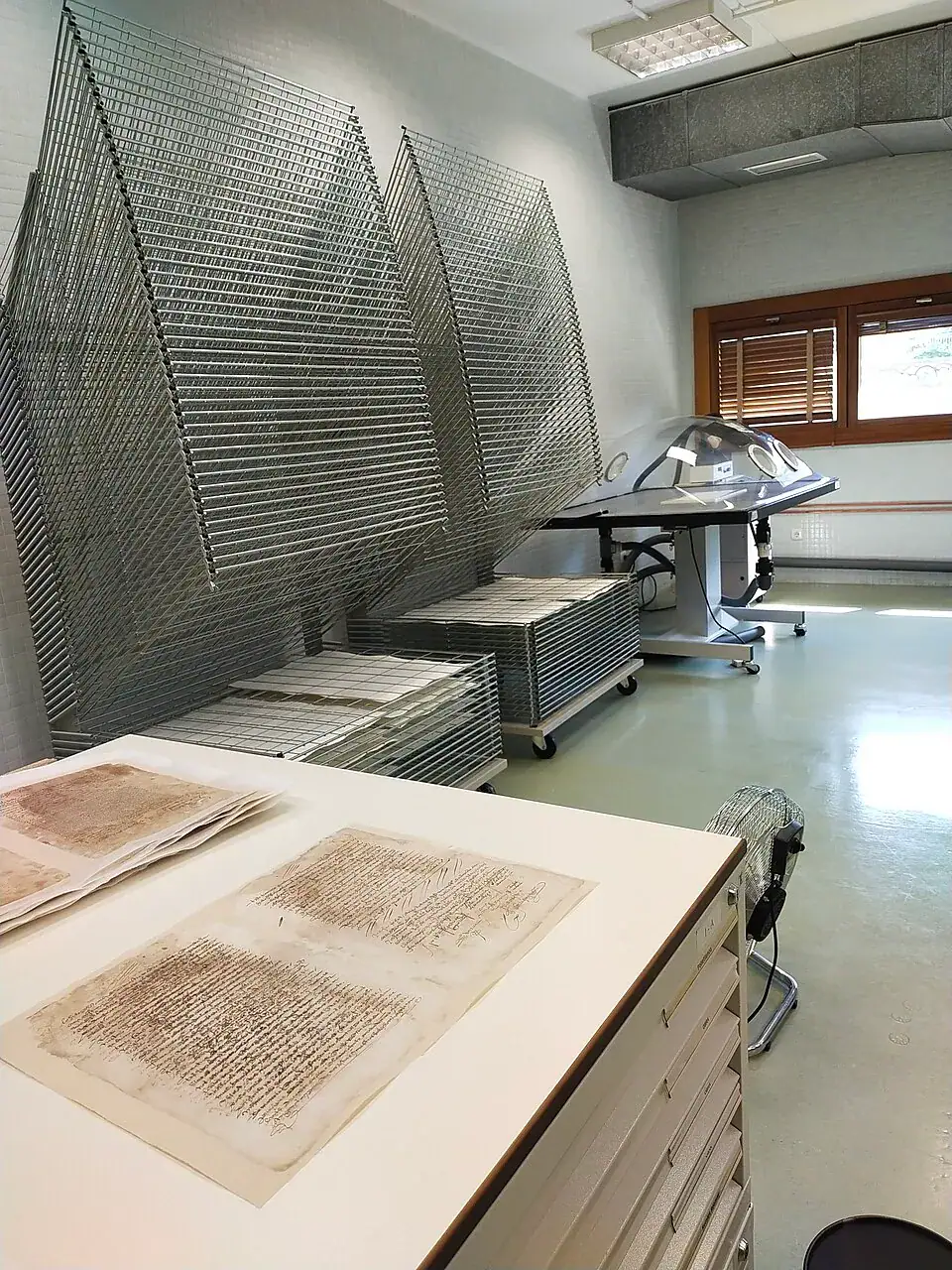
In packaging areas, cataloguing rooms and restoration workshops, resin offers specific advantages in terms of chemical resistance and ease of cleaning. Accidental spills of solvents, paints or other materials used in restoration do not compromise the surface, which can be easily cleaned without leaving permanent marks or stains. It is also suitable for service corridors, scientific staff offices (curators, conservators) or administrative offices, and the CED.
Resin systems, which are easy to sanitise, are also suitable for public or staff toilets, including wall coverings. Self-levelling conductive resin systems, on the other hand, are used in server rooms or archive rooms, and wherever effective protection against possible damage caused by electrostatic discharge is required.
WALL CLADDING SLABS
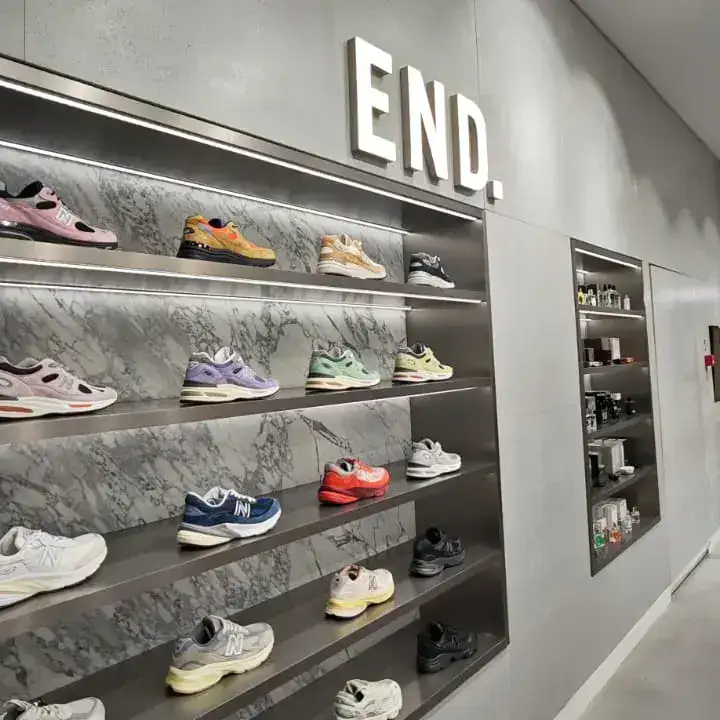
We produce tailor-made cladding slabs for wall installation.
Depending on the project specifications, the slabs can be of the ‘Concrete‘ or ‘Venetian Terrace‘ types, or other kinds.
DISPLAY SUPPORTS
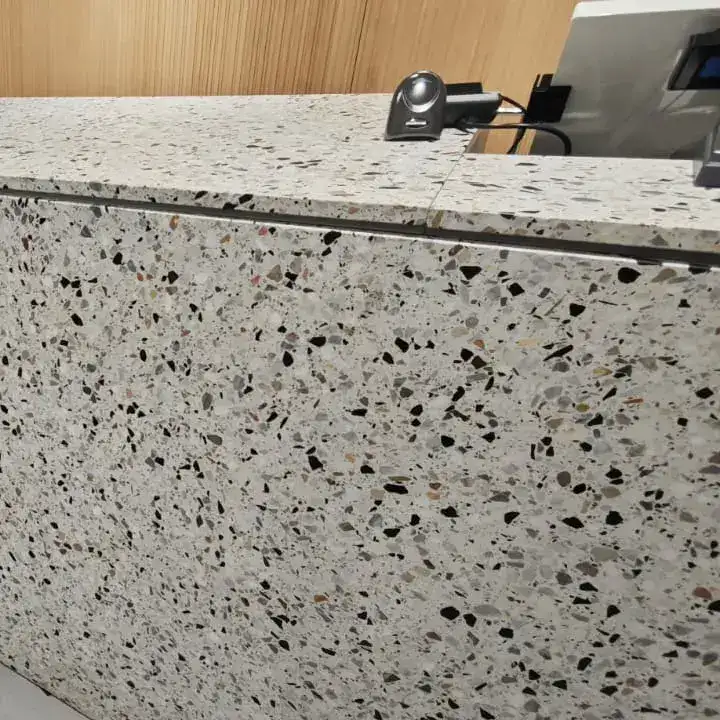
We produce display supports for bespoke products to be installed in stores. The slabs can be of the ‘Concrete’ or ‘Venetian Terrace‘ types, or other types depending on the project specifications.
Where
- Museums
- Showrooms
- Exhibition spaces
- Educational and cultural spaces
- Auditoriums
- Conference rooms
- Libraries
Environments
- Exhibition rooms
- Reception areas
- Educational and cultural spaces
- Conservation areas
- Service areas
- Cataloguing rooms
- Packaging rooms
- Restoration workshops
- Museum storage rooms
- Scientific staff offices
- Administrative staff offices
- Data centre
- Underground or multi-storey car park
- Outdoor play areas